
6 Things to Know Before Installing an Awning
Installing an awning can enhance both the appearance and functionality of your outdoor spaces. Whether you're seeking shade for your patio or protection for your windows, awnings offer several advantages. Before moving forward with your awning installation, it's important to understand various considerations, from selecting the right type of awning to understanding the material options and installation process. This blog will cover six essential things to know before you get started with your installation project.
1. Understanding Different Types of Awnings
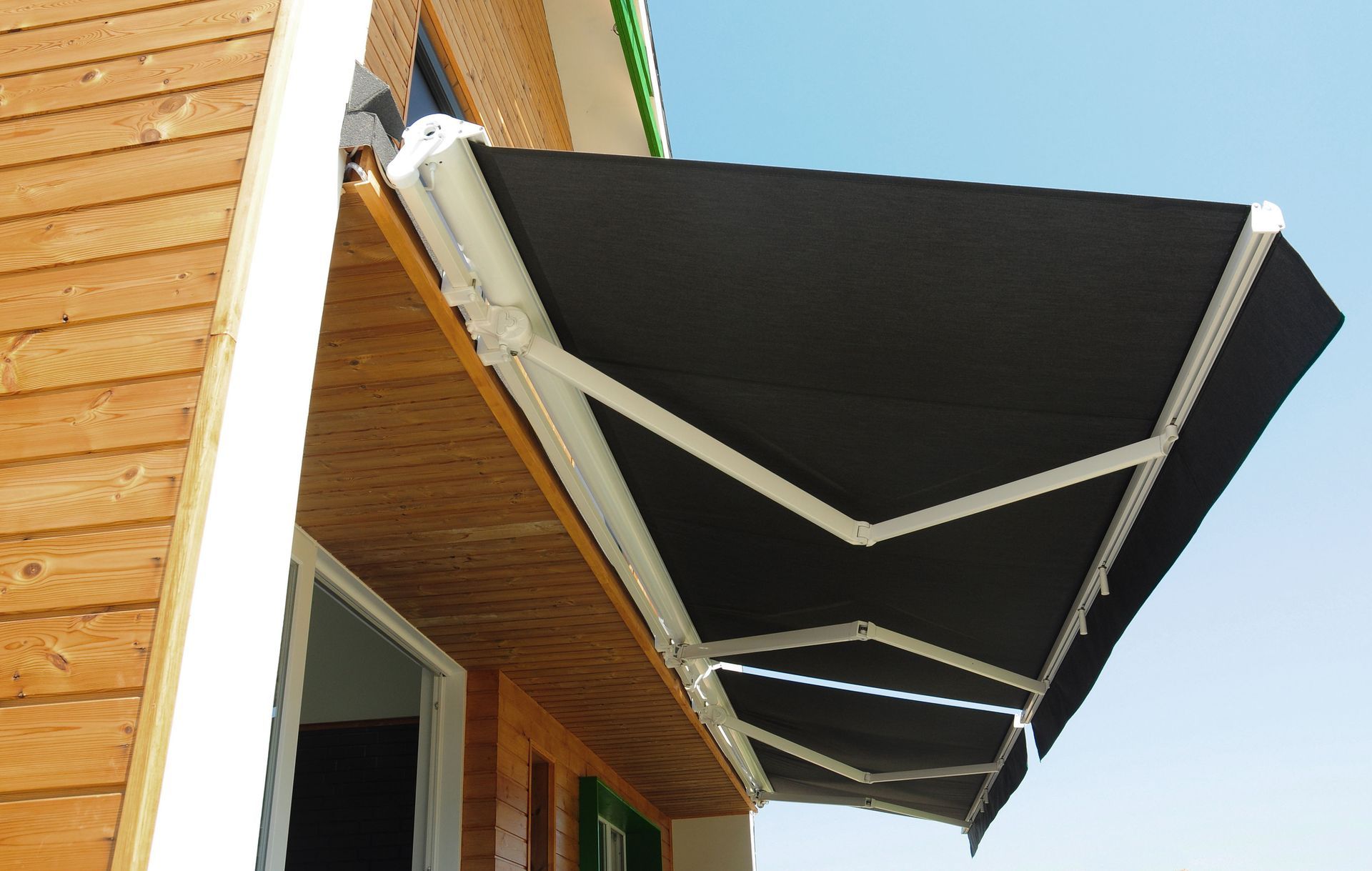
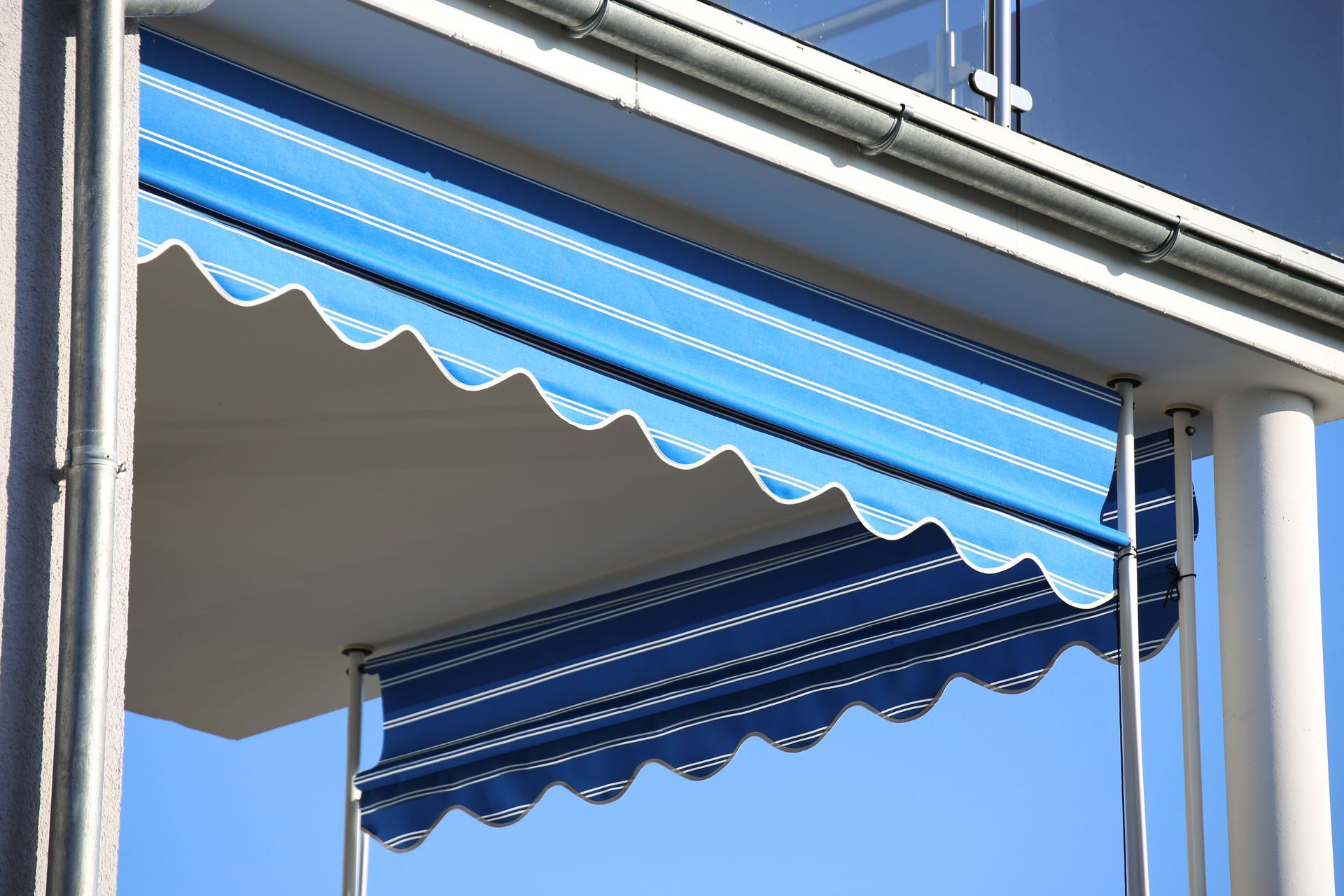
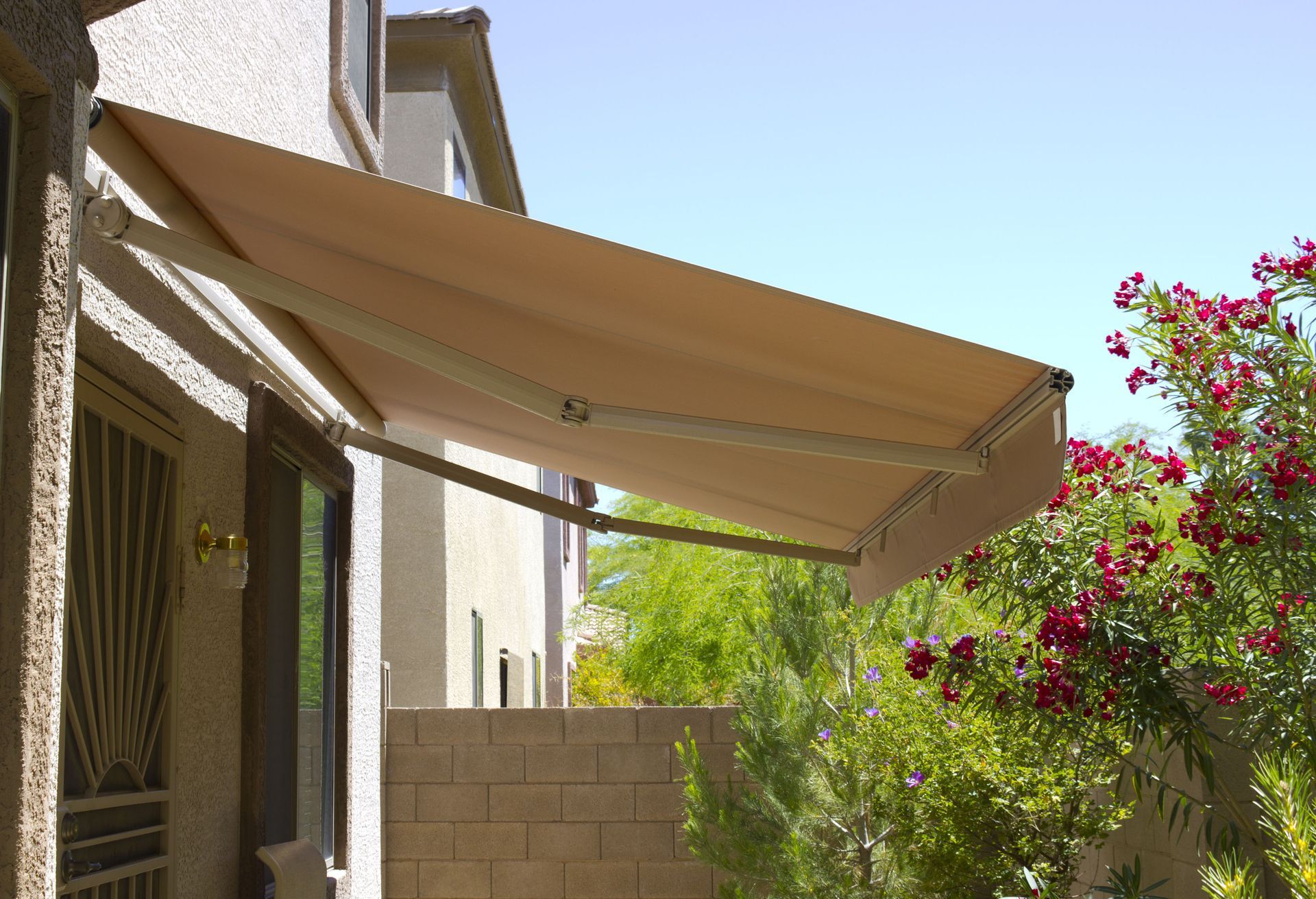
Before you begin your awning installation, it's essential to understand the different types of awnings available. Fixed awnings are a great option if you're looking for a permanent structure that provides year-round protection, especially for larger areas such as patios or windows. Retractable awnings, on the other hand, are ideal for homeowners who want flexibility. These can be extended when needed for shade and retracted when you want to let in more sunlight or enjoy the open air. If you want versatility, retractable options allow you to adjust according to your needs.
In addition to retractable and fixed styles, there are also canopy and pergola-style awnings, which offer a more open, stylish design. These are perfect for those who want a decorative element combined with shade. Understanding the differences between these styles will help you select the right type of awning for your needs and verify that your installation meets your aesthetic preferences and functional requirements. Consulting with professionals will guide you in making the best decision based on your available space, needs, and budget.
2. Considering Your Home’s Architecture
When planning, one of the most important factors to consider is how the awning will complement your home’s architecture. The right awning can enhance the overall curb appeal, while the wrong choice can clash with your home’s design. For example, modern homes with sleek, clean lines might benefit from minimalist retractable awnings, while traditional homes may look better with classic, fixed-style awnings. The color, texture, and material of the awning should be chosen carefully to match your home’s existing exterior finishes.
In addition, the placement of the awning should be considered in relation to your windows, doors, and any existing outdoor furniture or landscaping. The awning should provide functional shade without obstructing your views or blocking natural light too much. You want to create a harmonious space that blends well with your home and adds value. A professional installer will help assess your home’s architecture and guide you through the decision-making process, ensuring a seamless integration of the awning into your overall outdoor design.
3. Selecting the Right Material for Your Awning
The material of your awning is a critical consideration when planning your installation. Different materials offer varying degrees of durability, weather resistance, and aesthetic appeal. Fabric materials such as canvas or polyester are popular for their flexibility and color options, but they require more maintenance than other options. These materials may need regular cleaning, especially if exposed to harsh weather conditions like heavy rain or wind. On the other hand, materials like aluminum or steel are known for their long-lasting nature and require less upkeep, though they may limit your color choices.
Another factor to consider when selecting materials is their ability to withstand different weather conditions. If you live in an area that experiences strong winds or heavy rainfall, you may want to select a more durable, weather-resistant material. According to Bob Vila, the standard awning typically measures 12 feet in width and 10 feet in depth, making it an ideal choice for compact areas. Regardless of the material, proper care and maintenance are key to ensuring your awning continues to function effectively for years. Consulting with professionals will help you select a material that best suits your needs and budget.
4. Deciding on the Placement of the Awning
Before beginning your awning installation, it’s important to carefully consider the size and placement of your awning. The size should be determined based on the area you want to cover, ensuring it provides ample shade or protection. A small window awning might only need to extend a few feet, while a larger patio area could require more extensive coverage. Be sure to account for the space that will be covered when the awning is fully extended, and leave room for any surrounding structures like railings or outdoor furniture.
Proper placement is equally crucial, as it determines how effective the awning will be in providing shade or protection. The angle and direction of the sun throughout the day should be considered when deciding where to place the awning. If your goal is to shade a specific area, such as a seating space or patio, positioning the awning correctly will ensure it provides the maximum amount of shade when needed most. Your awning installer will assist in determining the optimal size and placement to fit your needs and space requirements.
5. Budgeting for the Installation
The cost of awning installation can vary significantly depending on factors such as the type, material, size, and complexity of the installation. Retractable awnings typically cost more than fixed ones due to the additional mechanism required to retract and extend the awning. The material choice also plays a big role in the overall cost; fabric materials may be more affordable, but durable metals like aluminum or steel could raise the price. Installation costs will also depend on whether your project involves custom design elements or requires structural adjustments to your home.
It's essential to establish a clear budget before proceeding with your awning installation to avoid unexpected costs. Be sure to factor in both the initial cost of the awning and any maintenance costs over time. High-quality awnings may have a higher upfront cost but can save money in the long run due to their durability and minimal maintenance requirements. Working with a professional installer can help you determine the best awning that fits your budget without sacrificing quality or functionality.
6. Maintaining the Awning After Installation
After your awning installation, proper maintenance is essential to ensure that it continues to function effectively and lasts for many years. Regular cleaning is important to remove dirt, debris, and any build-up caused by weather conditions. Fabric awnings may need to be cleaned more frequently, while metal awnings require less upkeep. It's also a good idea to inspect your awning for any signs of damage, such as tears in the fabric or rust on metal parts, and repair them promptly to prevent further deterioration.
To extend the life of your awning, it’s important to consider the weather conditions in your area. If you experience extreme winds or heavy rainfall, retractable awnings should be retracted during storms to avoid damage. Additionally, applying a protective sealant or waterproofing treatment can help prevent wear and tear. Regular maintenance ensures your awning continues to provide shade and protection while looking great for years to come.
An awning installation is a great way to enhance your outdoor living space, providing both functional benefits and aesthetic appeal. By understanding the different types of awnings, materials, and proper installation techniques, you can ensure that your investment will provide long-lasting value. Whether you are looking to add shade to your patio or protect your windows from the elements, the right awning will improve your home’s outdoor space. Ready to get started? Contact Sunshades Awning Company, Inc. today for expert advice and professional installation that will enhance your home’s exterior.





Share On: