
What Features Should You Look for In Retractable Awnings?
Adding a functional shade solution to your backyard or patio transforms your outdoor living experience. While many homeowners focus primarily on the aesthetic appeal of different fabric patterns, the structural and mechanical components determine long-term satisfaction. Picking out high-quality retractable awnings requires a deep understanding of how features interact with your home architecture and local climate conditions.
Assessing Frame Durability and Build Quality
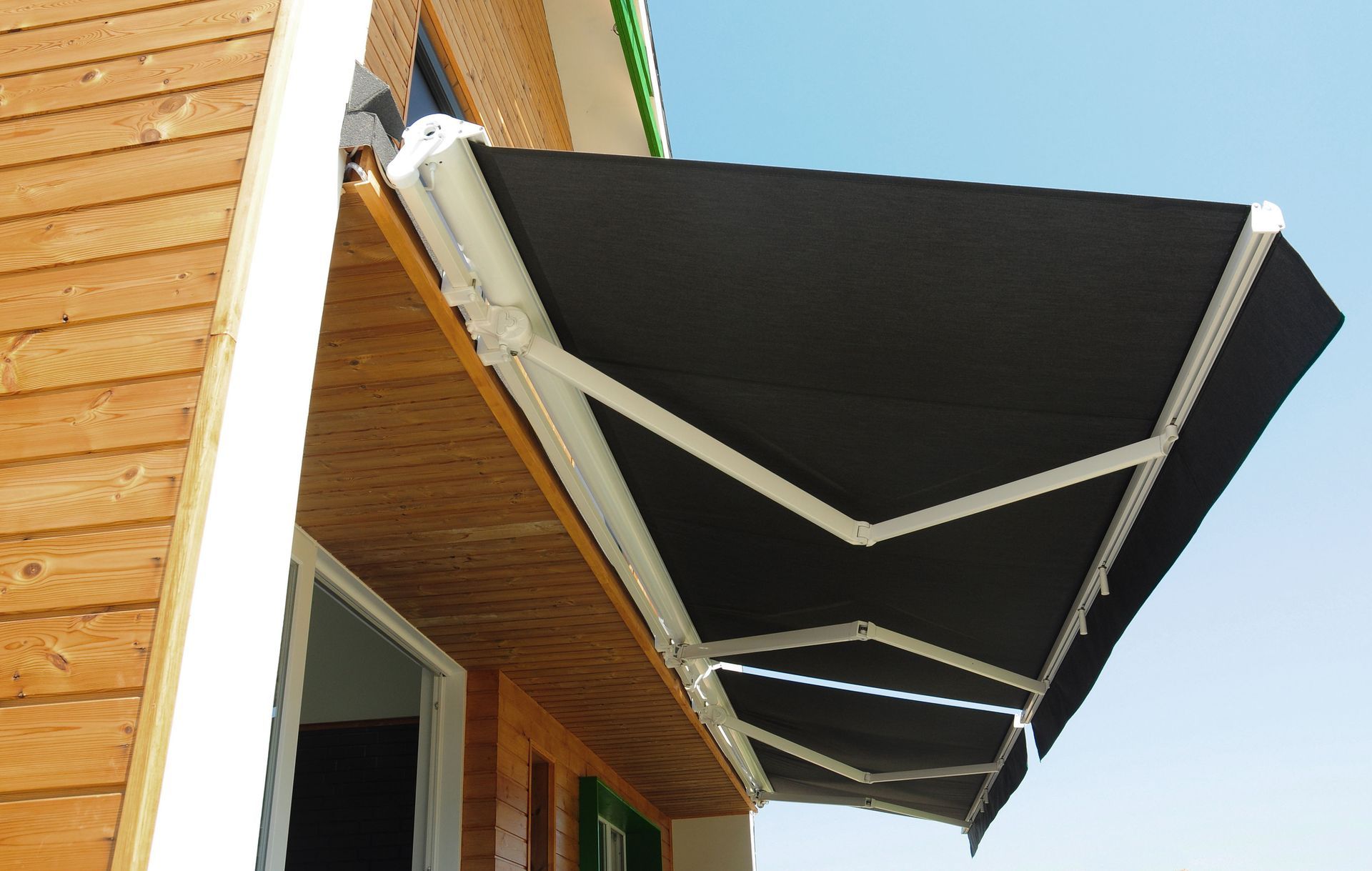
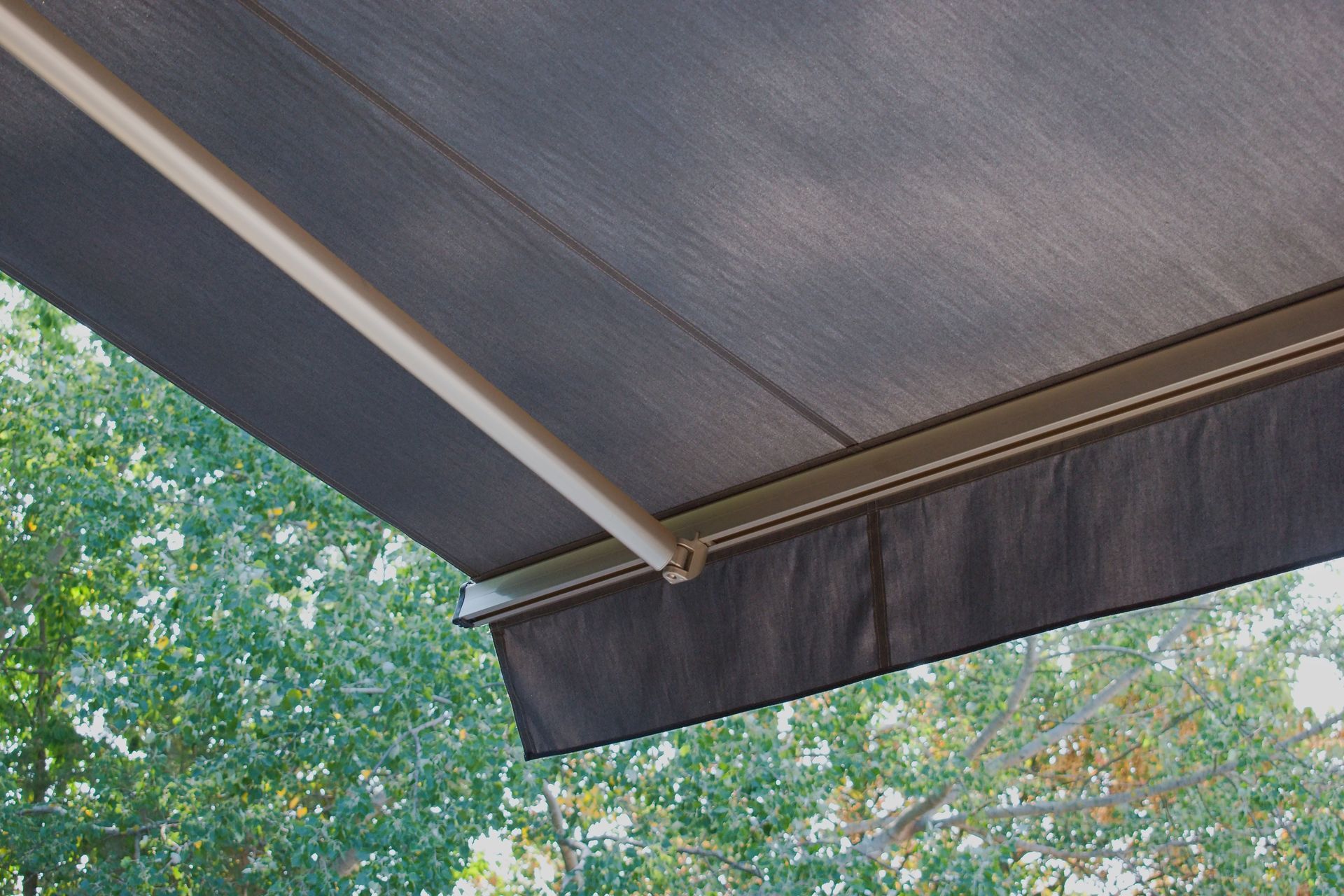
The framework serves as the skeleton of the entire system, providing the tension to keep the fabric taut. High-quality retractable awnings typically feature frames constructed from extruded aluminum, which offers a superior strength-to-weight ratio. This material is naturally resistant to corrosion, making it ideal for outdoor environments where moisture is a constant factor. A powder-coated finish adds an extra layer of protection against UV degradation over time.
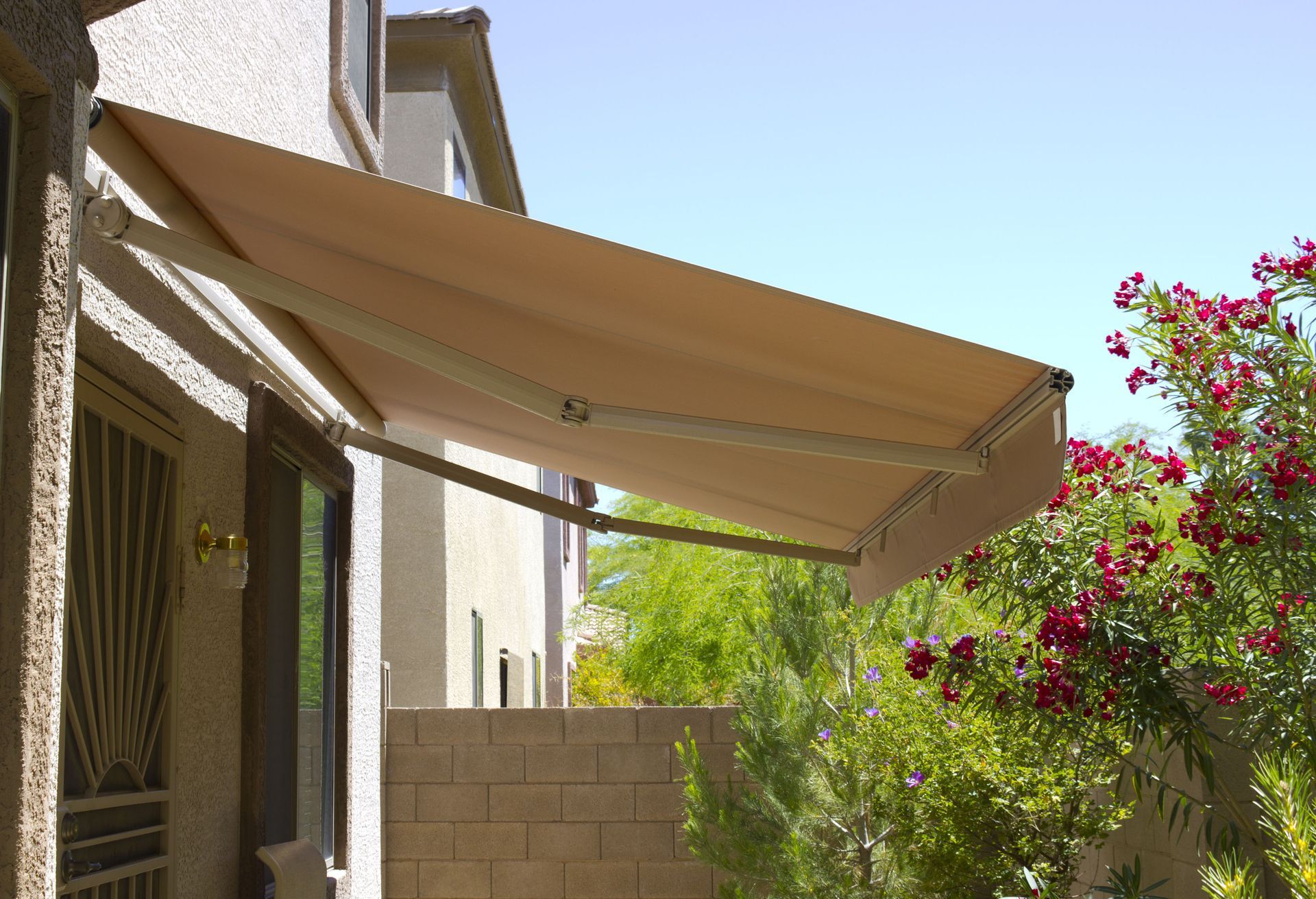
Beyond the material itself, you should examine the joints and connection points of the lateral arms. Look for forged aluminum components rather than cast parts, as forging creates a denser internal structure that resists snapping under pressure. The internal tensioning system must be robust enough to handle thousands of cycles without stretching. These internal mechanisms are responsible for the smooth extension and retraction of the unit during daily operation.
Stability during moderate weather is another critical factor for any permanent exterior fixture. According to Bob Vila, a large number of retractable awning designs are built to withstand wind speeds reaching 25 miles per hour. However, the integrity of the mounting brackets is what truly keeps the unit secure against your home. Professional-grade systems use multi-point mounting hardware designed to distribute the weight of the unit across several wall studs, preventing structural damage to your home.
Evaluating Fabric Performance and Longevity
The textile portion is the most visible element and bears the brunt of environmental exposure. Performance fabrics like solution-dyed acrylic are the gold standard for retractable awnings because the color is integrated into the fiber during the liquid stage. This process results in a fabric that is highly resistant to fading, even after years of direct sunlight. Standard polyester or vinyl-coated fabrics often become brittle much faster than premium acrylic options.
Water resistance and breathability are two sides of the same coin when it comes to outdoor comfort. A quality fabric should be treated with a protective coating that allows water to bead and roll off the surface rather than soaking in. At the same time, the weave must allow hot air to escape from beneath the canopy to prevent a greenhouse effect on your patio. This balance of protection and ventilation is what separates high-performance shade textiles from basic materials.
Maintenance requirements for the fabric should also influence your final decision. Look for materials that have built-in resistance to mold and mildew, which can thrive in the folds of the fabric if it is retracted while damp. While no fabric is entirely self-cleaning, premium options are designed to release dirt easily with a simple rinse from a hose. Choosing a fabric with a long-term manufacturer's warranty against rot provides peace of mind for your investment.
Choosing Between Manual and Motorized Controls
The method of operation significantly impacts how often you will actually use your shade system. Manual retractable awnings utilize a simple hand crank and gearbox mechanism, which is a reliable and cost-effective choice for smaller units. These systems do not require electrical wiring, making them a straightforward addition to areas where power access is limited. However, the physical effort required to move a large awning manually can be a deterrent for some users.
Motorized systems offer a level of convenience that manual versions simply cannot match. With the push of a button or a smartphone app, you can adjust your shade level without leaving your seat. Modern motors are designed to be quiet and tucked away inside the roller tube, maintaining the sleek profile of the unit. These systems also allow for precise adjustments, letting you stop the fabric at any point to follow the sun.
Advanced integration is a major benefit of choosing a motorized model for your home. Many systems can be linked to smart home hubs, allowing you to create schedules or control your shade remotely. This technology is particularly useful for protecting indoor furniture from UV rays by extending the shade during the hottest part of the day. While the initial cost is higher, the increased frequency of use often justifies the investment for most homeowners.
Integrating Smart Sensors and Automation
Automation features have revolutionized the way people interact with retractable awnings by removing the guesswork from weather protection. Wind sensors are perhaps the most important safety feature available, as they automatically retract the unit when they detect vibrations that exceed safe limits. This proactive measure prevents damage to the frame and the mounting surface during sudden summer storms. Having this automated backup system is essential for anyone who might forget to close the unit.
Sun sensors provide another layer of convenience by monitoring the intensity of light hitting your patio. When the sun reaches a specific threshold, the sensor triggers the motor to extend the fabric, keeping your outdoor space and home interior cool. Conversely, when the sun goes down or clouds move in, the system can retract itself to maximize natural light. This level of automation helps manage energy costs by reducing the load on your air conditioning.
Rain sensors complete the trio of automated protections by detecting moisture on the canopy. While some systems are designed to handle light rain, many are intended primarily for sun protection and should be retracted during heavy downpours. A rain sensor acts as a safeguard to tuck the fabric away safely before the weight of accumulated water can stress the frame. These technological additions transform a simple shade into an intelligent environmental management tool.
Finding Proper Sizing and Projection Options
The physical dimensions of the unit must be carefully calculated to provide effective shade where it is needed most. The width of retractable awnings should ideally extend beyond the window or door frame to prevent light from leaking in around the sides. When measuring for a patio, consider the angle of the sun at different times of the year, as a shorter projection might provide ample shade in June but very little in September.
Pitch adjustment is another feature that dictates the effectiveness of the shade and the management of water runoff. Most high-end units allow the installer to set a specific slope, which helps guide rainwater away from the house and prevents it from sitting on the fabric. Some models even feature an adjustable pitch that the homeowner can change with a crank, allowing for more vertical shade when the sun is low on the horizon.
The mounting height plays a significant role in determining the overall footprint of the shaded area. If the unit is mounted too low, it can make the space feel cramped and may interfere with out-swinging doors. Conversely, mounting it too high may require a much larger projection to achieve the same level of coverage on the ground. Professional consultation is often necessary to find the spot where the awning provides maximum protection.
Choosing the right features for your outdoor shade system requires a balance of structural integrity and modern technology. By focusing on durable aluminum frames, high-performance acrylic fabrics, and intelligent automation, you can create a comfortable retreat that stands the test of time. Quality retractable awnings represent a significant upgrade to your property, offering both aesthetic beauty and practical utility. Contact Sunshades Awning Company, Inc today to discover how our professional team can transform your outdoor space with premium shade solutions tailored to your home.


Share On: