
Will Awnings Fit My House? And Other Questions Frequently Asked
Awning installations are a fantastic way to enhance the exterior of your home, offering not only aesthetic appeal but also functional benefits such as sun protection and energy savings. However, many homeowners have questions about whether awnings will work for their specific house. This article addresses the most frequently asked questions to guide you through your awning decision-making process.
Assessing if Awnings Suit Your House Design
Understanding Architectural Styles and Awnings
When considering awnings for your home, it’s important to understand how different architectural styles can influence your choice. Awnings should complement the home rather than clash with existing design elements. For example, traditional homes may benefit from classic fabric awnings, while modern houses might look better with sleek metal designs. Homeowners should research styles and consult with a design professional if unsure. Ensuring a harmonious design increases both curb appeal and property value.
Matching Awning Colors to Exterior Palettes
Choosing the right color for your awning can make or break the visual appeal of your home. Neutral colors are a safe choice and blend well with most exterior palettes, while bold colors can create visual interest. The color should not only work with the house’s exterior but should also consider the overarching neighborhood aesthetics. Using specialized tools or speaking with a color consultant can provide clarity. Successful color matching can significantly enhance your home's style and desirability.
Considering House Orientation and Sun Patterns
Understanding how the sun interacts with your home's orientation is vital when planning awning installations. Awnings can offer substantial UV protection, reducing the need for air conditioning and lowering energy bills. South-facing homes might require larger or multiple awnings to shield windows effectively from continuous sun exposure. The use of retractable or adjustable awnings can provide flexibility for varying sun angles. Proper placement will optimize light control while maintaining outdoor views.
Choosing Materials that Complement Your Home
Material selection for awnings is a crucial aspect that affects both aesthetics and durability. Canvas offers a traditional look with a range of modern colors and pattern options. Metal might be ideal for industrial or contemporary homes due to its robustness and clean lines. Polycarbonate panels provide a lightweight, transparent option suitable for maintaining visibility. Each material has unique attributes that can match different architectural styles. The right choice will be both complementary and long-lasting.
Measuring and Placement: Ensuring the Right Fit
Tools Needed for Accurate Measurements
Accurate measurements are the cornerstone of a successful awning installation. Essential tools include measuring tapes, levels, and possibly laser measuring devices for large areas. Homeowners should also consider hiring professionals to verify measurements if unsure. Accurate dimensions ensure a snug fit and avoid costly adjustments after installation. An error-free measurement setup saves time and enhances the project's overall precision.
Calculating the Ideal Awning Size
Determining the ideal size for your awning involves more than just measuring window or patio dimensions. Consider the desired level of coverage and the potential need for shading. According to Bob Vila, awnings can size to about 15 feet, though multiple awnings can be paired to extend the coverage. Individual needs, such as protection for outdoor furniture, should also be factored into calculations. Proper sizing maximizes both functional and aesthetic benefits.
Identifying Key Installation Areas
The installation area should be chosen based on where shade and protection are most needed. Common awning installations occur over windows, porches, and patios, but awnings underutilized on open spaces can serve as transitional covers. Placement should avoid blocking important architectural details or windows that require maximum light exposure. It’s critical to understand how existing structures will interact with new awnings. Thoughtful placement enhances utility and aesthetic harmony.
Accounting for Window and Door Dimensions
Window and door dimensions will significantly influence the awning style and fitment. Besides width, consider the height and depth for balanced awning installations. Awning overhang should adequately cover but not obstruct openings, ensuring that windows can still be opened and closed freely. For doors, especially high-traffic ones, ease of entry should not be compromised by awning placement. A harmonious design allows the awning to function without hindering daily operations.
Exploring Different Types of Awnings
Retractable Awnings: Flexibility and Function
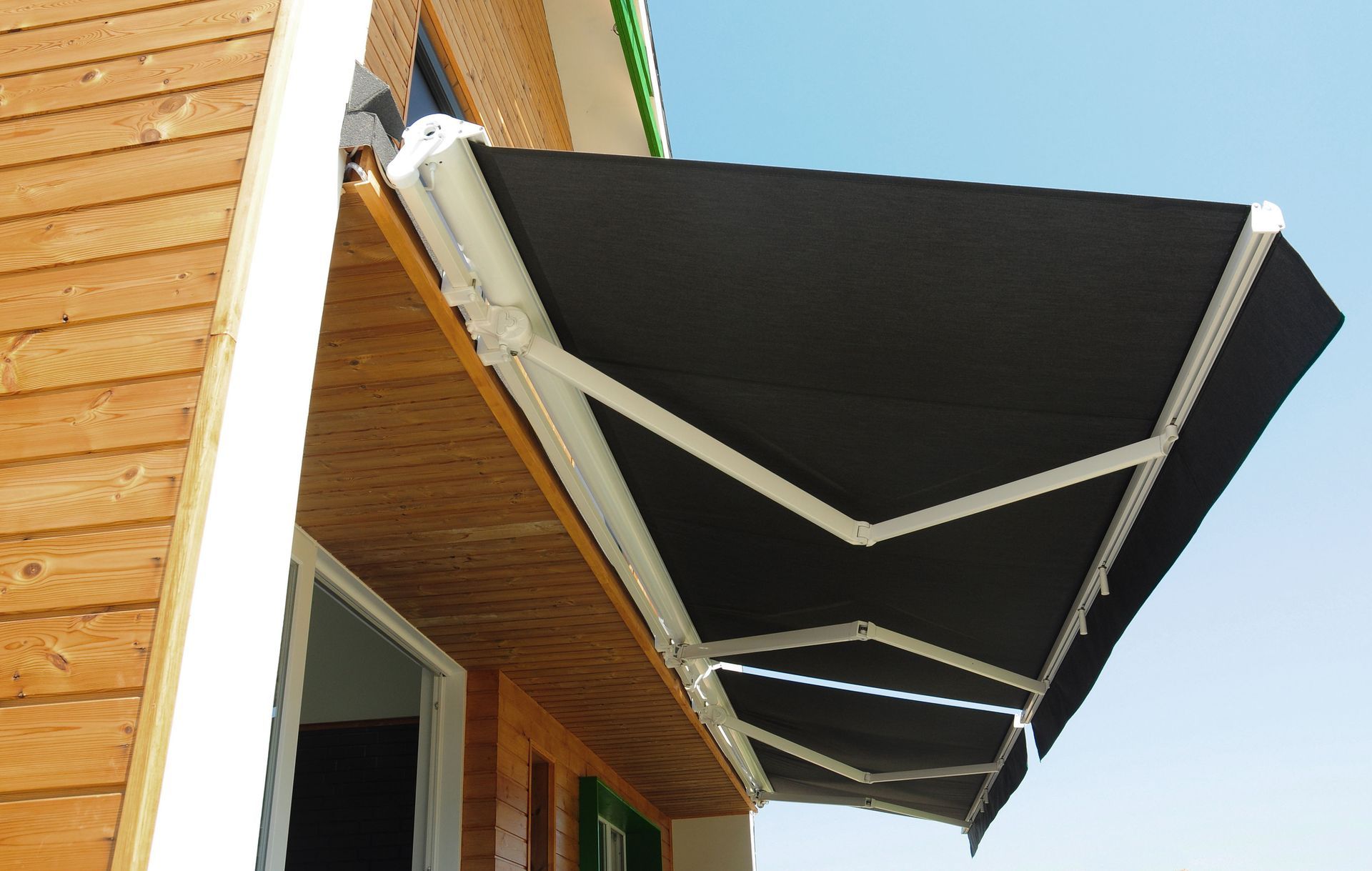
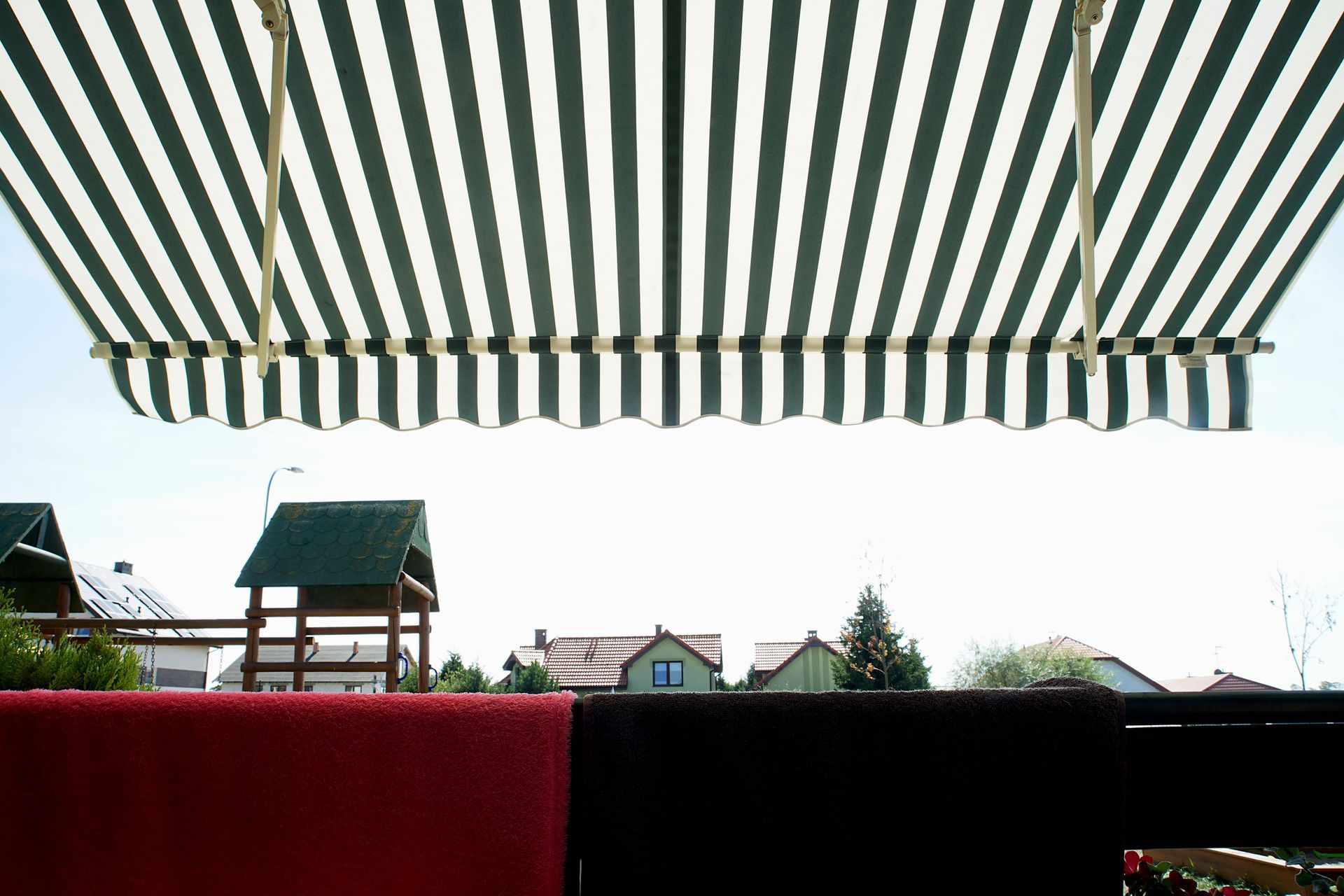
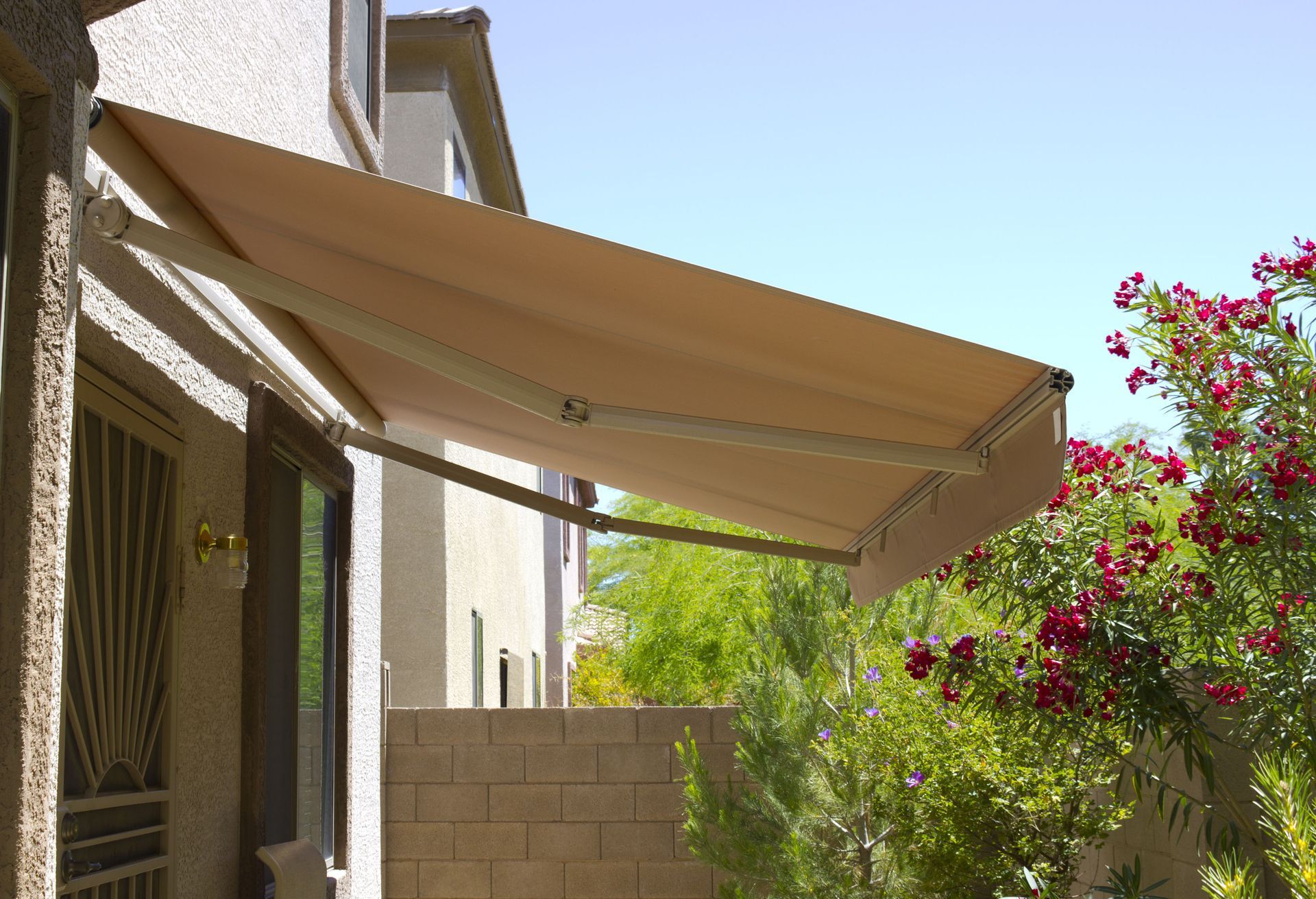
Retractable awnings offer a blend of flexibility and function, making them highly popular among homeowners. They allow for adjustable shade and protection, extending when necessary and retracting when full sunlight is desired. This versatility makes retractable awnings suitable for varying weather conditions and sun positions. They can be manually operated or motorized for added convenience. Their ability to retract helps protect them from elements, potentially enhancing their longevity.
Fixed Awnings: Stability and Durability
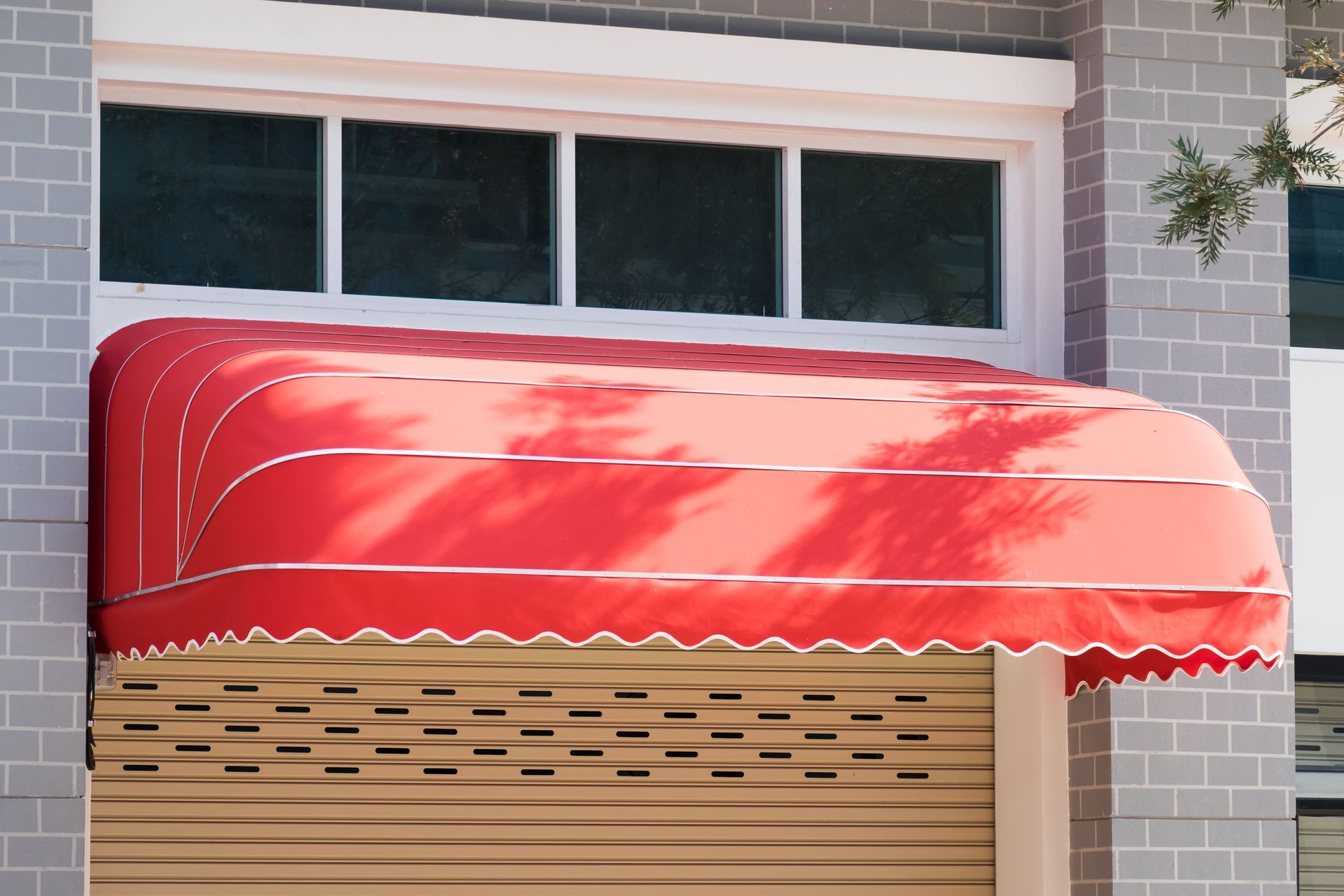
Fixed awnings are permanent awning installations that offer continuous protection and aesthetic appeal. Known for their durability, they are constructed to withstand various weather conditions year-round. They provide consistent shade and can be tailored to specific architectural styles. With fewer moving parts, fixed awnings often require less maintenance over time. Their permanence can enhance the structural integrity of outdoor spaces when installed correctly.
Freestanding Awnings: Versatility and Independence
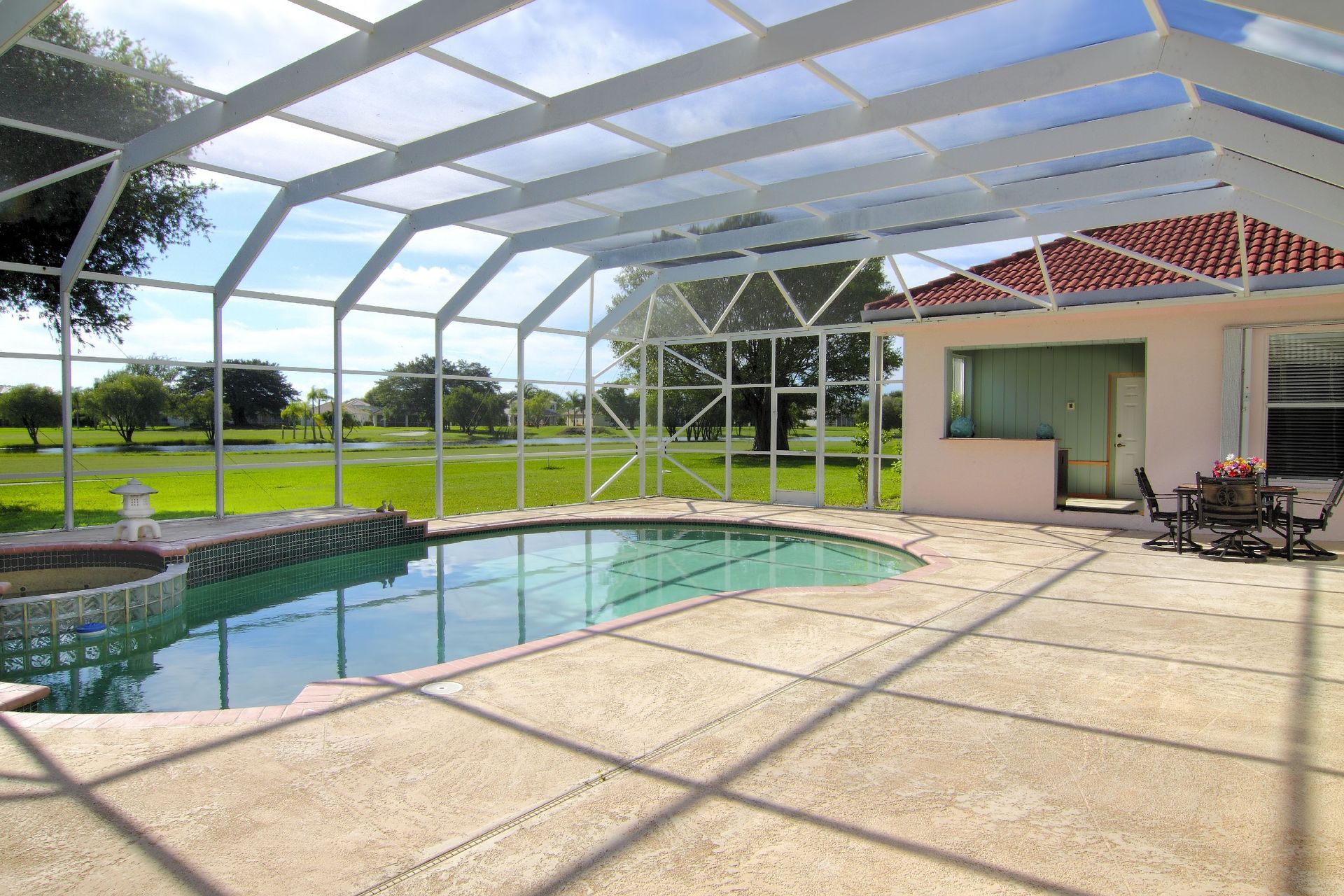
Freestanding awnings are perfect for areas not adjacent to the main structure, such as gardens or pool sides. These self-supporting structures add an element of versatility, as they can be positioned virtually anywhere without wall attachments. Their independent nature allows for creative space utilization, providing shaded retreats where needed. Some models are designed for easy relocation, adding to their adaptability. Freestanding awnings serve both functional and decorative purposes, enhancing outdoor spaces.
Motorized Awnings: Convenience at Your Fingertips
Motorized awnings offer an exceptional level of convenience with their automated opening and closing mechanisms. With just the press of a button, homeowners can control sun exposure, optimizing comfort levels for all occasions. The ease of operation makes them an attractive option for those desiring seamless functionality. Despite being higher in initial cost, motorized awnings often offer aesthetic and functional rewards. Advances in technology, such as remote control and weather sensing, enhance their user-friendliness.
Evaluating Material Options for Longevity and Style
Canvas Awnings: Traditional Appeal with Modern Options
Canvas awnings embody a classic look, making them a consistent favorite among homeowners. While traditional, advancements in fabric technology have expanded their durability and stain resistance. Available in various colors, patterns, and coatings, canvas provides a customizable solution for outdoor decor. However, routine maintenance is essential for longevity, including regular cleaning and weatherproofing. Canvas is ideal for those seeking aesthetic charm paired with moderate weather resilience.
Metal Awnings: Robustness and Industrial Chic
Metal awning installations appeal to homeowners interested in a modern, industrial aesthetic. Known for their robustness, metals like aluminum or steel ensure long-term structural integrity. Metal awnings excel in strength and weather resistance, making them suitable for harsh climatic conditions. Their substantial look complements modern and minimalist homes while offering effective sun and rain protection. Despite their heavier appearance, metal awnings can be designed with sleek lines, enhancing a home's architectural character.
Polycarbonate Awnings: Lightweight and Translucent
Polycarbonate awnings deliver a contemporary look with their lightweight construction and translucent properties. This material offers a unique advantage by allowing natural sunlight while blocking UV rays, maintaining brightness without harsh glare. Their lightweight makes polycarbonate easier to install and less demanding on structures. Despite their strength, polycarbonate panels require minimal maintenance, offering longevity without substantial upkeep. For those seeking modern minimalism with practical advantages, polycarbonate is a sound choice.
The Role of Coatings and Finishes in Protection
Coatings and finishes significantly influence the durability and appearance of awning materials. Protective finishes can enhance resistance to UV damage, water, and mildew, prolonging lifespan. Coatings also contribute to color retention, ensuring that awnings remain vibrant over time. By enhancing durability, coatings reduce long-term maintenance costs and preserve the aesthetic appeal. Homeowners should consider high-quality finishes that align with their local climate conditions for optimal durability.
Choosing the right awning installations for your home involves more than simply selecting a style you like. Factors such as your home's architectural design, exterior color palette, sun exposure, installation location, and material preferences all play an important role in determining the best solution. With the right awning in place, you can create a more comfortable and attractive outdoor environment while adding value and functionality to your property for years to come. To learn even more about awning installations and the types available, reach out to Sunshades Awning Company, Inc today.



Share On: