5 Signs It’s Time to Replace or Upgrade Your Awning

December 8, 2025

Your awning has been faithfully shielding your patio, deck, or storefront from the elements for years. But even the sturdiest setup eventually shows signs of wear and tear. Whether it’s fading fabric, creaking hardware, or reduced coverage, an old or damaged awning can diminish your property’s curb appeal and performance. Knowing when it’s time to replace or upgrade helps you protect your investment and keep your outdoor space as inviting as ever. Regular inspections can help you spot early issues before they turn into costly repairs or safety concerns.


Below are five clear signs that your awning may be ready for an upgrade — and how to tell when simple maintenance isn’t enough anymore.


1. Notice Visible Wear and Fabric Damage

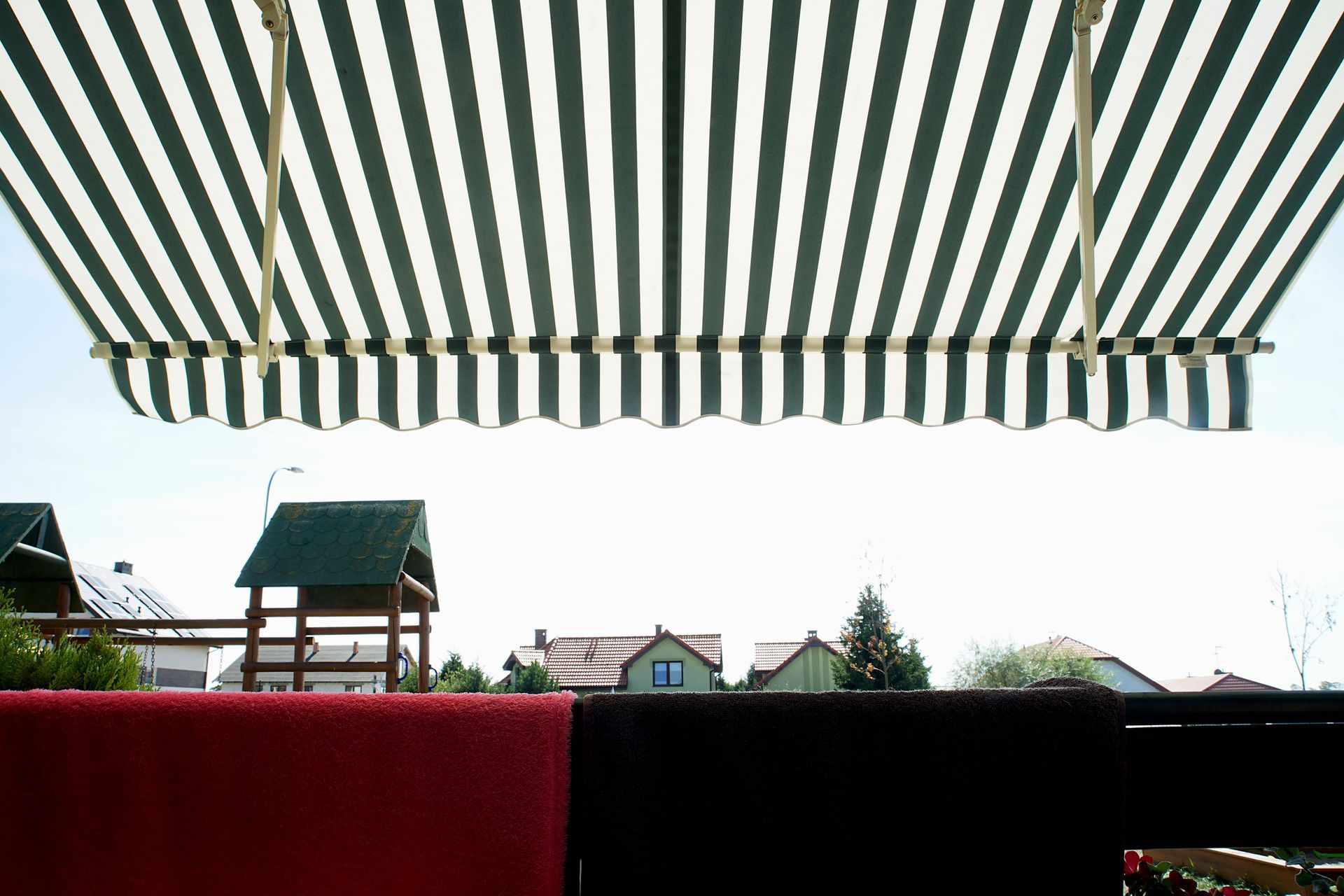
One of the most obvious signs that your awning needs attention is visible wear. Over time, fabric awnings are constantly exposed to the sun, wind, and rain, all of which take a toll on their appearance and functionality. You might see fading colors, frayed edges, or small tears that worsen with each passing season.


While minor rips can sometimes be patched, widespread deterioration is a different story. When fabric becomes brittle or discolored beyond restoration, it’s time to consider a full replacement. High-quality modern awnings use UV-resistant materials that not only withstand the elements longer but also retain their color and texture more effectively.


If you own a retractable model, inspect it closely when extended. Stains, mold, or mildew can indicate moisture has seeped into the fibers — another cue that your awning’s lifespan is ending. A fresh replacement can instantly revive your outdoor area’s appearance while providing improved shade and protection.


2. Check for Mechanical or Structural Problems

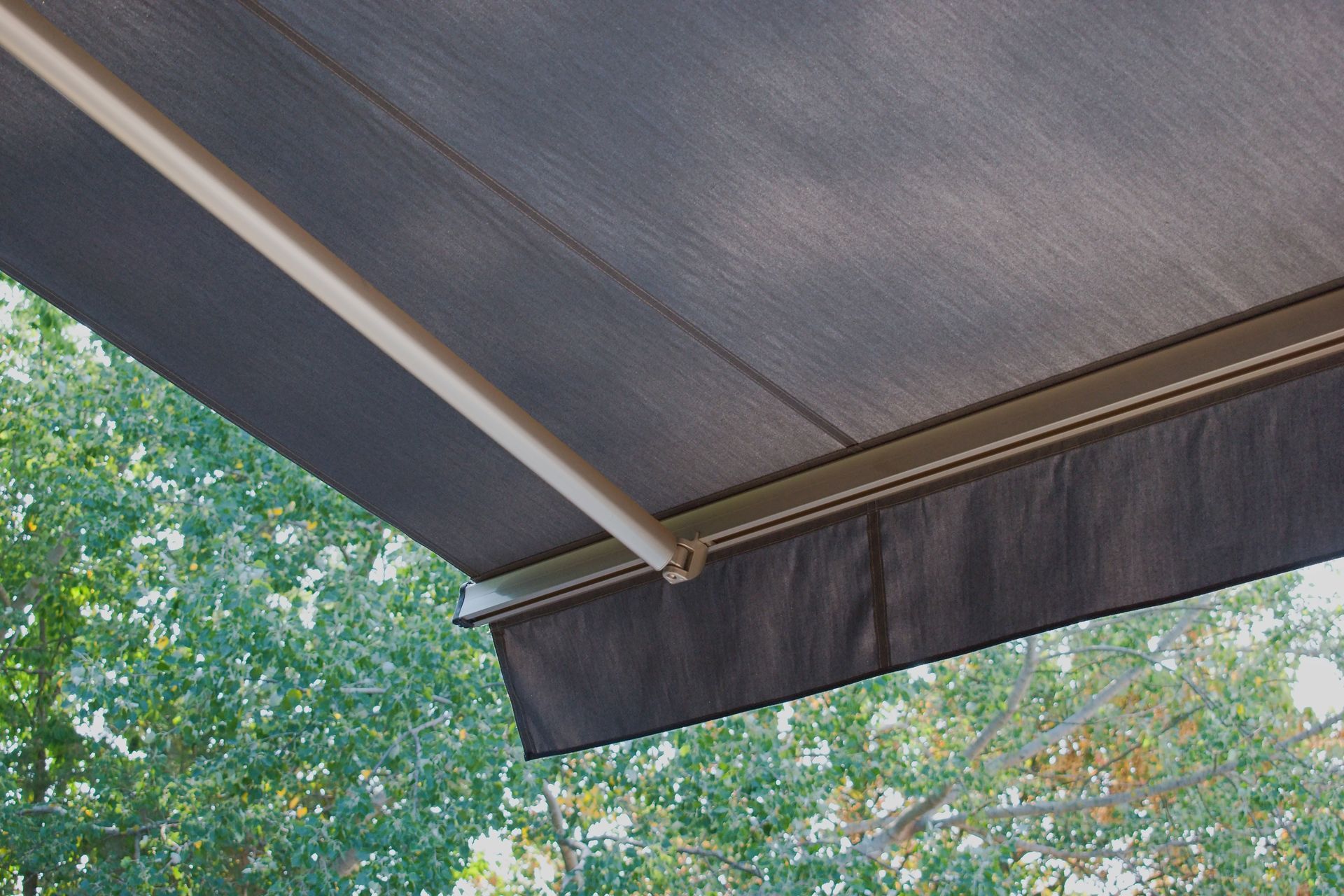
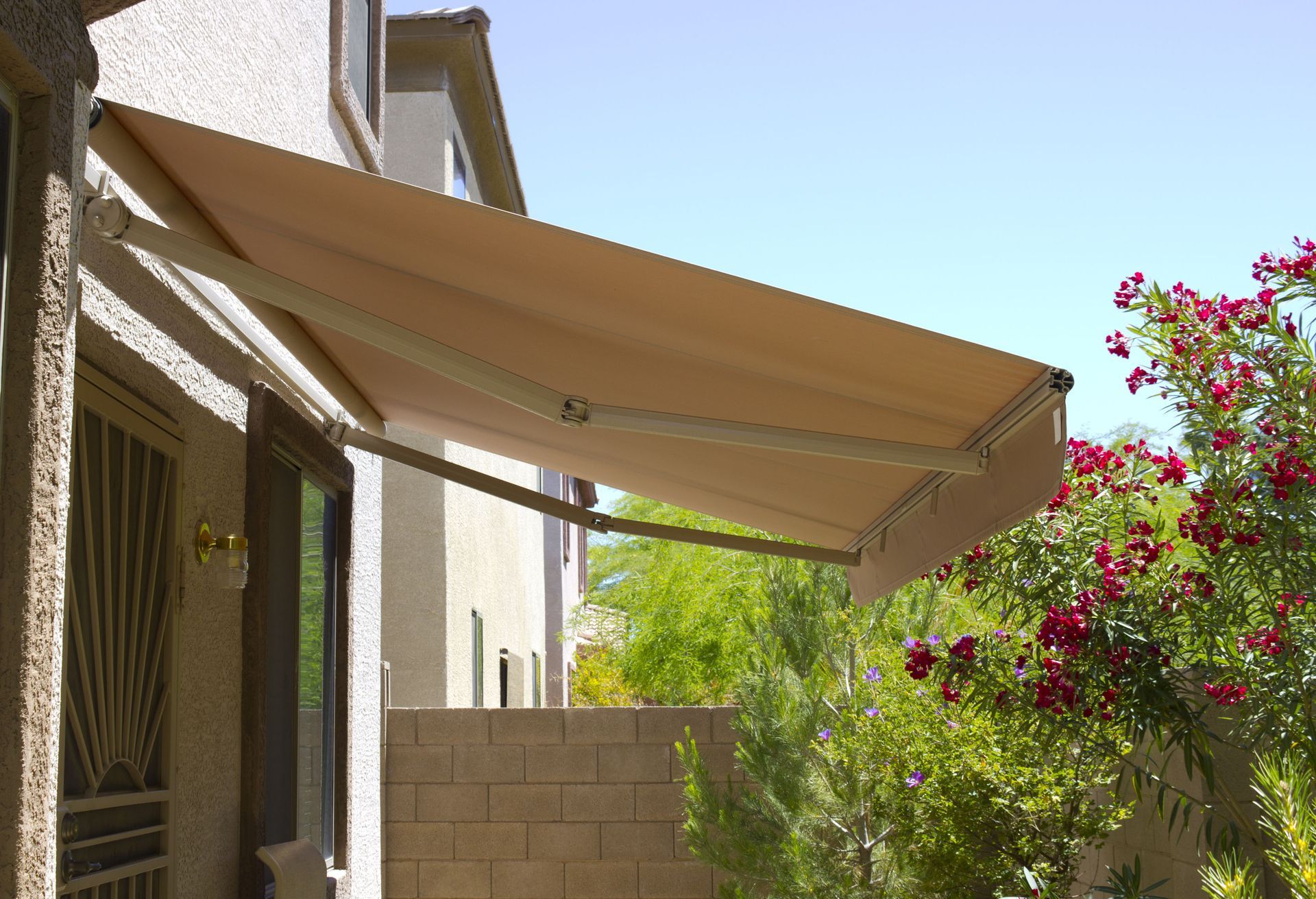
Awnings don’t rely solely on fabric; their frames and mechanisms are equally important. Over time, exposure to moisture and shifting temperatures can corrode metal parts or loosen screws. You may notice a wobble in the frame, difficulty extending or retracting the awning, or grinding noises when operating it. These issues signal more than inconvenience — they indicate structural weakness that could lead to safety hazards.


Rust is another red flag. Corroded joints or brackets can fail under stress, especially during windy conditions. For retractable awnings, malfunctioning motors or faulty sensors can prevent proper opening and closing, leaving the fabric vulnerable to weather damage. Addressing these mechanical issues promptly ensures your outdoor setup remains safe, reliable, and easy to use.


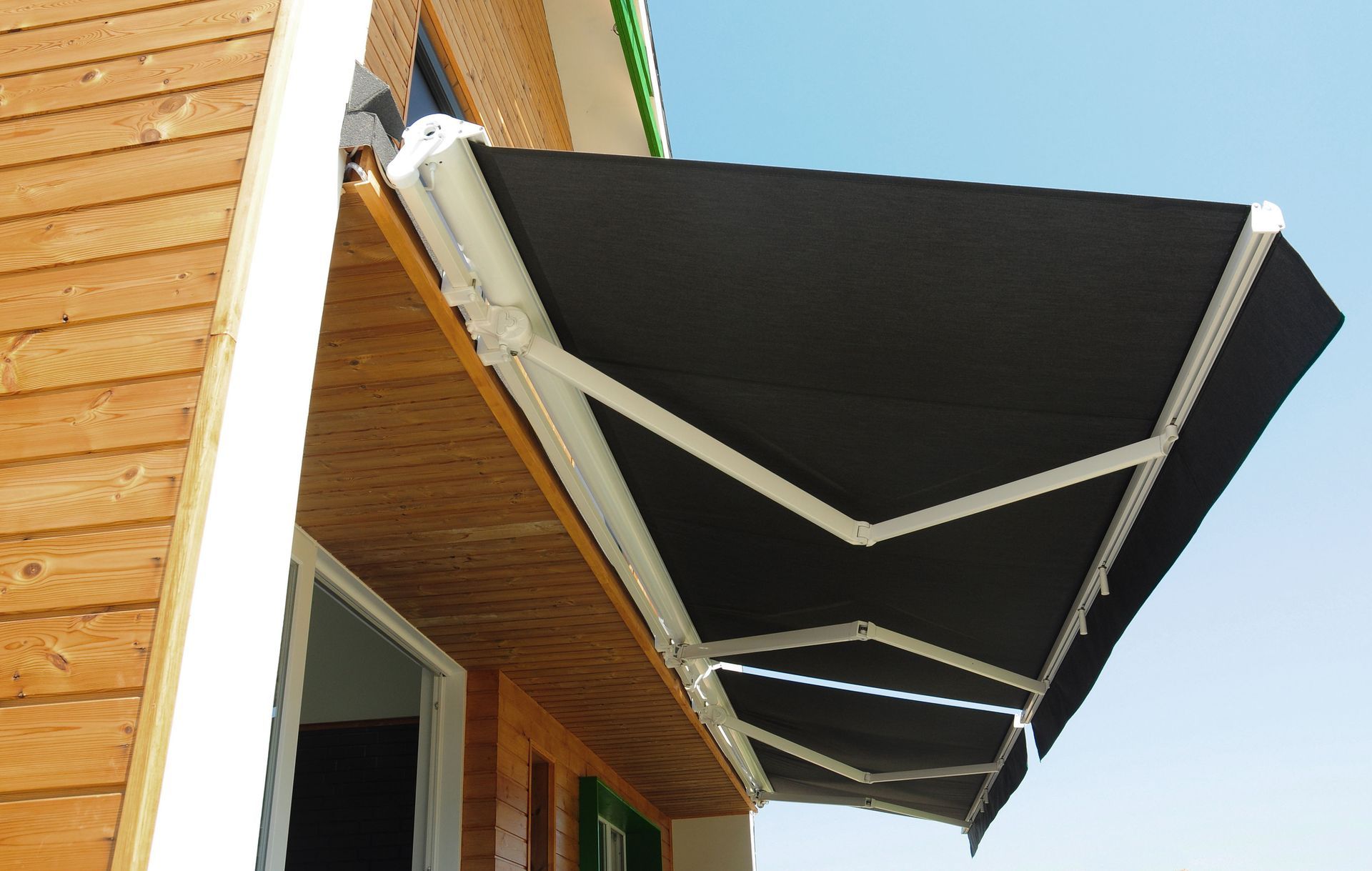
In many cases, upgrading to a newer model can save you time and long-term costs. Today’s designs often feature rust-resistant aluminum frames, smoother retraction systems, and automated controls that respond to sunlight and wind levels. If your awning’s mechanics are showing their age, investing in modern technology offers both convenience and peace of mind.


3. Evaluate Whether Your Awning Still Matches Your Space

Aesthetics play a bigger role than many property owners realize. Your awning isn’t just functional — it’s a visible part of your exterior design. Faded patterns, outdated colors, or bulky frames can make your home or business look older than it is. If you’ve updated your siding, outdoor furniture, or storefront signage recently, your awning may no longer complement your new look.


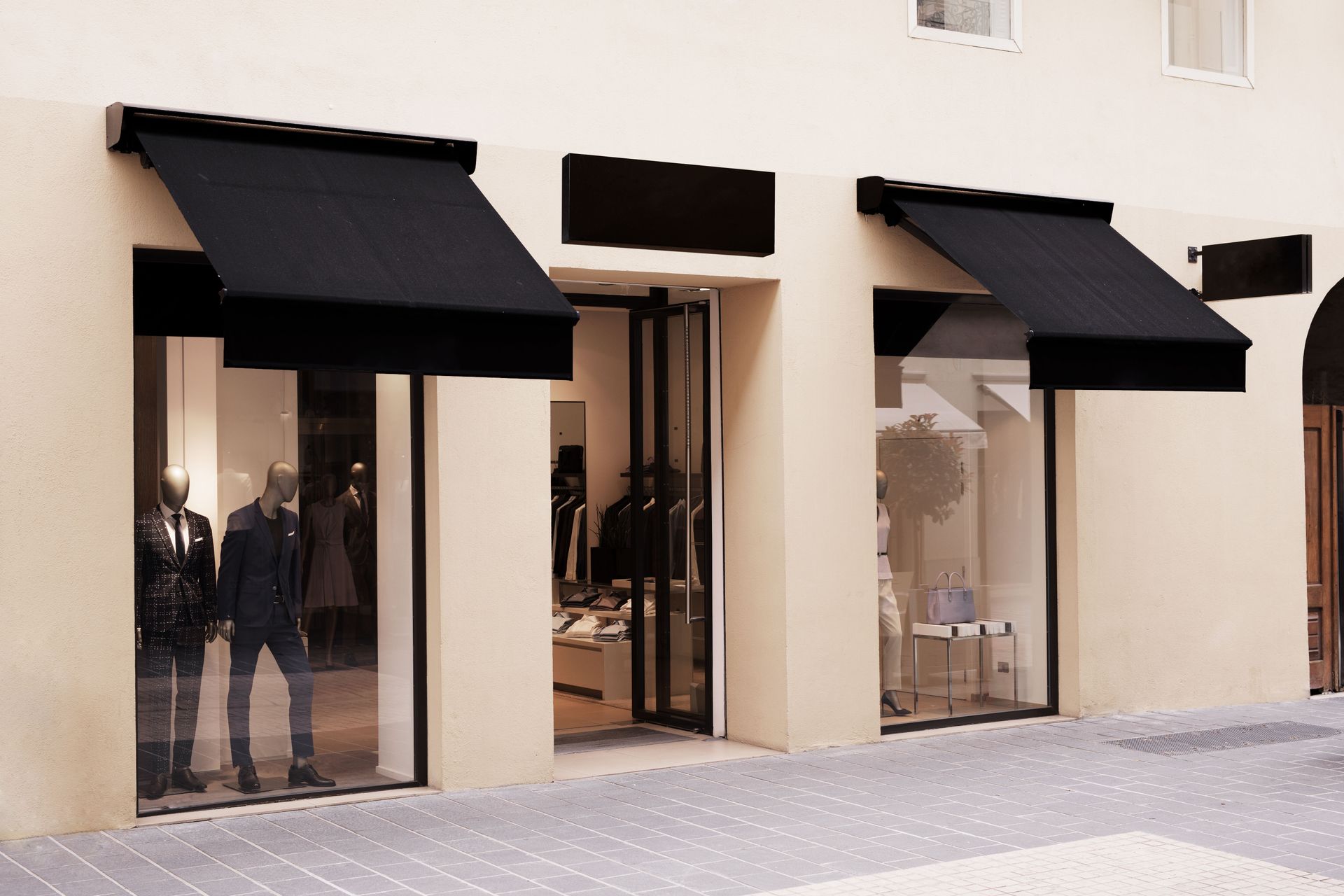
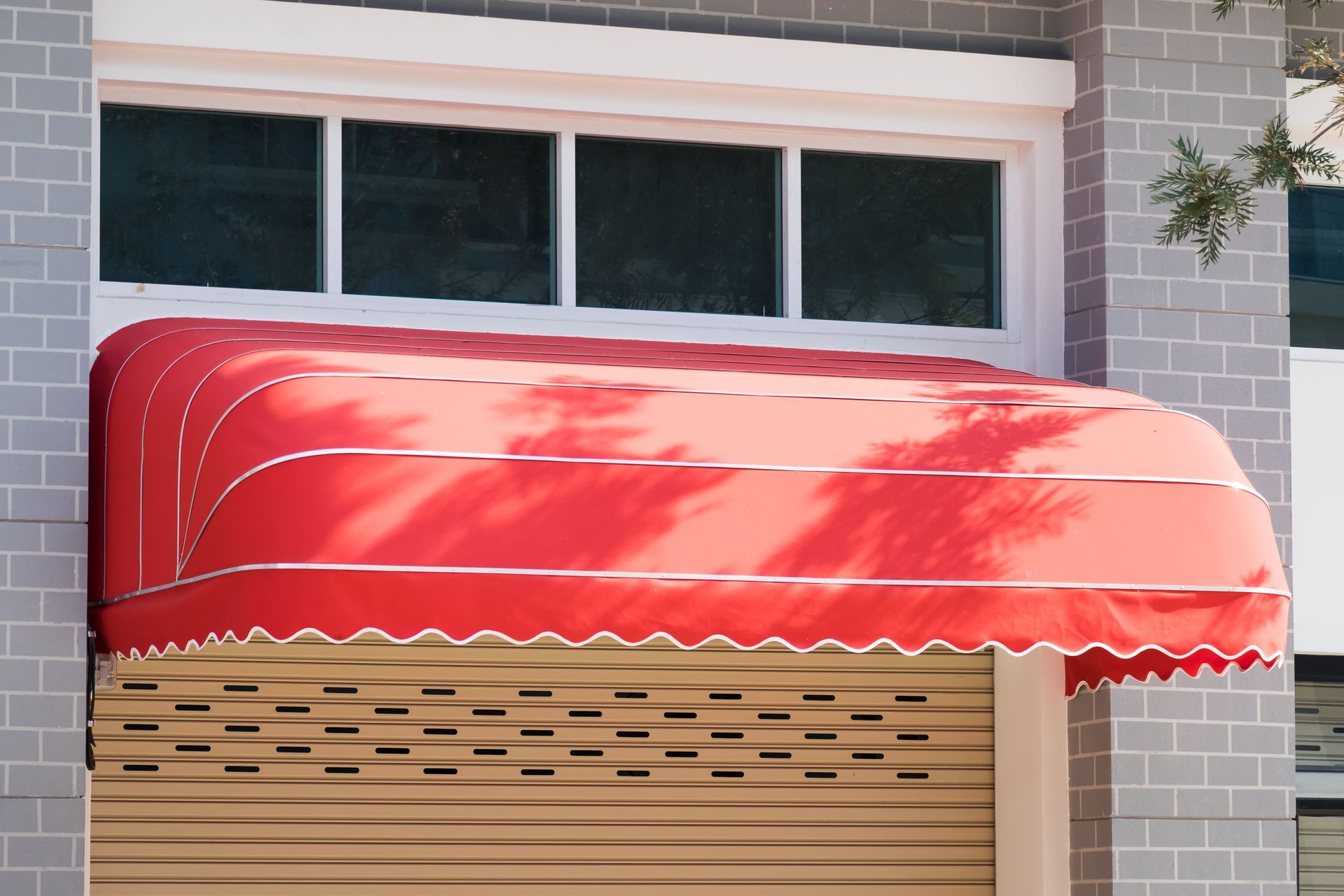
Modern awnings come in a variety of sleek styles and materials, offering the chance to refresh your property’s appearance while boosting value. For homeowners, that might mean switching from a traditional striped canvas to a clean, solid tone that highlights your home’s architecture. For business owners, a branded awning upgrade can modernize your storefront and attract more foot traffic.


An updated awning not only enhances curb appeal but also provides a more cohesive, polished impression. It’s an investment in both comfort and aesthetics — one that helps your space feel current and well cared for. A refreshed design can also create a welcoming atmosphere that encourages more time spent outdoors.


 4. Assess the Level of Sun and Weather Protection

A well-functioning awning should effectively block harsh sunlight, reduce heat buildup, and protect outdoor furnishings from UV damage. If you’ve started noticing that your patio feels warmer than before or that furniture and flooring beneath the awning are fading, your current setup may no longer be doing its job.


Over the years, fabric coatings can wear off, diminishing UV resistance. Gaps or sagging areas can also allow unwanted sunlight or rain to penetrate, defeating the purpose of your shade system. Upgrading to a new awning made from advanced, weather-resistant materials can significantly improve comfort and energy efficiency.


Modern retractable awnings, in particular, let you control coverage based on the day’s conditions — extending them during hot afternoons or retracting them when you want more natural light. According to LawnStarter, awnings can last up to 20 years with proper care, such as retracting them during high winds or harsh weather. So, while a new awning is an investment, maintaining it well ensures it serves you beautifully for decades.


If you’re constantly battling glare, heat, or moisture under your current awning, it’s time to explore an upgrade that delivers better protection and performance. A modern solution can make your outdoor area more enjoyable and functional year-round.


5. Consider Energy Efficiency and Smart Features

Awnings aren’t just about comfort — they can also affect your energy bills. Older, manually operated models may not provide consistent shade coverage, allowing heat to enter your home or business during peak hours. This can force your cooling system to work harder, especially in sun-exposed spaces like south-facing patios or storefronts.


Upgrading to energy-efficient awnings can help maintain a stable indoor temperature, reducing your reliance on air conditioning. Many modern options include automated sensors that extend the awning when sunlight intensity increases and retract it during cloudy conditions. Others pair with smart home systems, letting you control settings from your phone or through voice commands.


For homeowners aiming to cut energy costs and enhance sustainability, these intelligent designs are worth the switch. They offer the best of both worlds — style and technology working together to maximize comfort while minimizing waste.

If your awning lacks these efficiency features or feels outdated compared to the rest of your home’s upgrades, replacing it could quickly pay for itself in utility savings and ease of use. Upgrading can also simplify daily use, giving you more control over your outdoor environment with minimal effort.


Your awning plays a major role in comfort, style, and energy efficiency, but like any outdoor feature, it won’t last forever. From worn fabric and rusting frames to outdated designs and limited weather protection, there are many signs that it might be time to replace or upgrade.


By paying attention to these cues early on, you can avoid costly repairs and enjoy a more functional, attractive, and reliable shade solution. Whether you’re drawn to a modern retractable design or a timeless fixed canopy, a new awning instantly enhances your outdoor experience while improving your property’s value.


If your current setup no longer delivers the protection or appeal it once did, don’t wait for major damage to occur — take this as your sign to invest in an upgrade. With the right care and a high-quality model, your next awning could serve you beautifully for many years to come. Ready to refresh your outdoor space? Contact Sunshades Awning Company, Inc today to explore modern, durable, and stylish awnings designed to suit your home or business.
patio screens and awnings
January 22, 2026
Patio screens and awnings enhance curb appeal, energy efficiency, and outdoor living space, helping increase home value and buyer appeal.
retractable commercial awnings
January 16, 2026
Discover the top trends in retractable commercial awnings for this year, from motorized systems to custom designs that boost comfort and brand visibility.
retractable awning install
January 13, 2026
A retractable awning is one of the most effective upgrades for creating shade, improving outdoor comfort, and enhancing curb appeal. Whether you want to enjoy your patio more often, cool down your indoor living space, or add value to your home, a retractable awning install can be a smart, long-lasting investment. But before you make the decision, it's important to fully understand what goes into choosing, installing, and maintaining this type of system. Below are five essential things every homeowner should know before moving forward — covering materials, features, installation requirements, and long-term maintenance — so you can make the best possible choice for your home. 1. Material Quality One of the most critical factors to understand before scheduling a retractable awning install is the material quality of both the frame and the fabric. Awnings are constantly exposed to sun, wind, debris, and seasonal weather changes, making durability a top priority. High-quality awning frames are typically made from powder-coated aluminum. This material is lightweight, resistant to rust, and strong enough to withstand long-term outdoor exposure. Lower-grade metal frames may be more cost-effective up front, but they tend to bend, fade, or corrode earlier, requiring more frequent repairs or replacement. The fabric also matters. Most reputable brands use solution-dyed acrylic fabrics, which are designed to resist fading and maintain their rich color for many years. These fabrics are breathable, allowing heat to escape while still providing UV protection. Cheaper polyester fabrics may look similar at first, but they often fade quickly, trap heat, and may start to degrade sooner. When evaluating awning materials, remember this simple rule: investing in higher-quality components now will protect both your outdoor space and your long-term budget later. Choosing durable fabrics and sturdy frames from the start ensures your awning performs reliably through years of sun exposure, changing weather, and daily use. 2. Motorization Options Another important consideration for your retractable awning install is whether you prefer a manual or motorized system. While manual crank systems remain an option, most homeowners today choose motorized awnings for their convenience and ease of use. Motorized awnings operate with the push of a button — either on a wall switch, remote, or smartphone app. Many models even include sensors that automatically extend or retract your awning in response to sunlight, wind, or rain. If you love the idea of using your outdoor space more often but don't want the hassle of manual operation, motorization is likely worth the upgrade. It's also important to consider the electrical needs for motorized awnings. Some models plug directly into an outdoor outlet, while others require hardwiring. A trained professional can help determine the safest and most efficient setup for your home. For homeowners looking for enhanced comfort, smart controls, and worry-free usability, motorized features can significantly elevate the overall awning experience. These automated options not only simplify daily use but also help you get more consistent shade and protection exactly when you need it. 3. Weather Considerations Weather readiness is a major part of deciding whether a retractable awning install is right for your home. Unlike permanent awnings or patio covers, retractable models offer flexibility. You can extend them for shade and retract them during harsh weather conditions. However, it's important to note that awnings are not designed for every type of weather. Strong winds are the most significant risk. Even high-quality awnings can sustain damage if left open during severe gusts. For this reason, many homeowners invest in optional wind sensors that close the awning automatically if conditions become unsafe. Rain is another factor. Light rain is generally fine, but heavy rainfall can pool on the fabric, stretching or damaging the material. Snow, meanwhile, should never accumulate on an awning. The weight can cause irreversible structural issues. A retractable awning gives you shade when you want it and protection when you need it — but only if you use it properly. Managing it according to weather conditions ensures your investment lasts as long as possible. By staying mindful of wind, rain, and seasonal changes, you'll keep the system operating safely while preserving its appearance and structural integrity. 4. Longevity Expectations Longevity is a key reason homeowners consider a retractable awning install, but the actual lifespan varies based on product quality, climate, and maintenance. In general, you can expect the frame and hardware to last significantly longer than the fabric, as the latter experiences the most wear from UV exposure and weather. Although different sources provide different numbers, industry professionals agree that well-maintained awnings deliver solid long-term performance. In fact, according to HomeAdvisor, many retractable awnings typically last between 8-15 years, depending on the conditions and materials used. With proper care — such as retracting your awning during storms, cleaning it periodically, and avoiding contact with sharp objects — you can maximize its lifespan and prevent avoidable damage. Some manufacturers also offer extended warranties on motors, frames, and fabrics, which can provide extra peace of mind. Ultimately, the durability of your retractable awning will depend on how well you care for it and the quality of the components you choose from the start. 5. Installation Requirements Before scheduling your retractable awning install, it’s important to understand what the installation process involves. Proper installation is essential for safety, performance, and longevity. Awnings must be installed into strong, stable structural material — typically framing lumber behind your home’s exterior siding or stucco. Mounting an awning on weak or unsupported surfaces can lead to sagging, instability, or even complete detachment. A trained technician will inspect your mounting area to determine whether reinforcements are needed. Height and pitch also play major roles. The awning must be mounted high enough to provide adequate clearance while still allowing for a slope that helps rainwater run off. The angle should be steep enough to prevent water pooling but not so steep that it compromises shade or structural balance. If you choose a motorized system, electrical access is also necessary. Many homeowners opt to have a professional electrician install an outlet or dedicated line to support the awning motor. Proper wiring ensures your awning operates smoothly and safely for years. A reliable professional will take all these factors into account, ensuring your awning is secure, functional, and aesthetically aligned with your home's design. A retractable awning installation is one of the most impactful ways to upgrade your outdoor living space, improve comfort, and enhance your home's appearance. By understanding the most important factors — material quality, motorization choices, weather considerations, product longevity, and proper installation requirements — you can make a confident and informed decision. When chosen thoughtfully and installed correctly, a retractable awning becomes far more than a shade accessory. It becomes an extension of your home, a way to enjoy your favorite outdoor areas more often, and a long-term investment that adds value and convenience to your daily life. Whether you want to relax on your patio, cool your indoor space naturally, or host gatherings in comfort, a retractable awning install can help you create the outdoor environment you’ve always envisioned. With the right care, high-quality materials, and a professional installation, your new awning will deliver dependable performance year after year. If you're ready to transform your outdoor living area, now is an excellent time to start exploring your options and planning your retractable awning install . Ready to upgrade your outdoor space? Contact Sunshades Awning Company, Inc today to get expert guidance, premium products, and a seamless retractable awning installation experience.
awnings
January 6, 2026
Discover why homeowners are adding awnings for cooler outdoor spaces, lower energy costs, and year-round comfort with this smart shade solution.
patio shades
December 28, 2025
Thinking about adding patio shades? Here are six key factors to consider when deciding on which outdoor shade will work best for your needs.
retractable awning installation
October 14, 2025
Do you have questions about a retractable awning installation? Read this blog to learn more about ways a retractable awning can help reduce energy costs.
patio screens and awnings
May 12, 2025
Patio screens and awnings can dramatically increase your comfort, protect against the elements, and expand your living area into the outdoors.
patio screens
March 7, 2025
Patio screens come with many great benefits that your family will enjoy for years. Here are three reasons to invest in these screens today!
retractable residential awnings
January 10, 2025
Choosing between fixed and retractable residential awnings impacts the aesthetics and functionality of your outdoor space. Dive into the considerations of each.
motorized shades
November 12, 2024
Are you looking for motorized shades? Here are some benefits that come with installing new window shades. Let's take a look!