
Cutting household energy bills using retractable solar-blocking awnings
As energy costs climb, homeowners are searching for practical ways to reduce household utility expenses. One promising solution is the installation of retractable solar-blocking awnings, which offer substantial energy savings and enhanced living comfort. When solar radiation penetrates untreated residential glass, interior temperatures rise rapidly, forcing climate control equipment to consume excessive electricity. Rather than depending exclusively on mechanical cooling, property owners can intercept thermal energy before it strikes windowpanes, curbing heat transfer and securing predictable utility bills year-round.
Understanding the Operation of Exterior Solar Shades
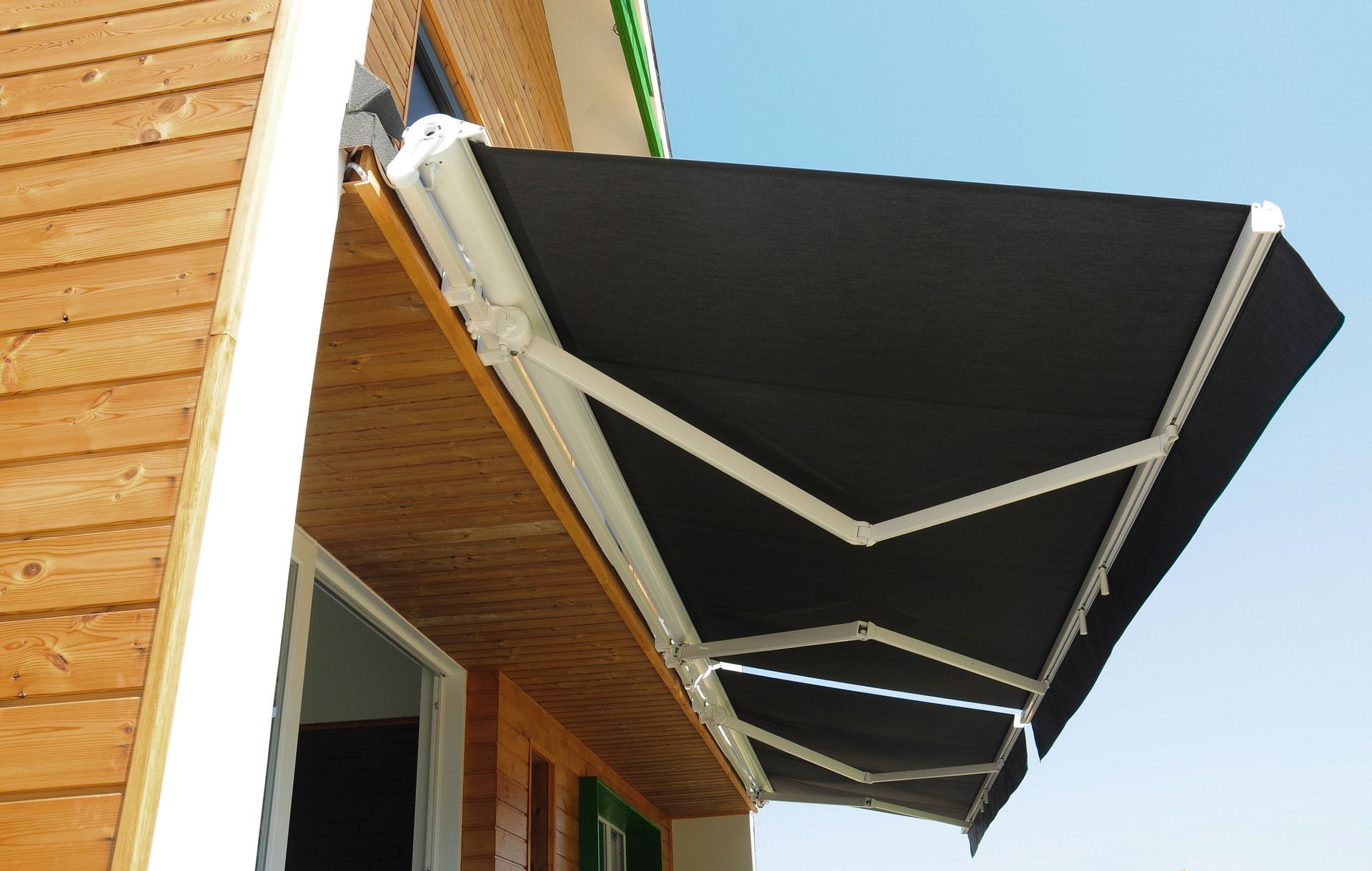
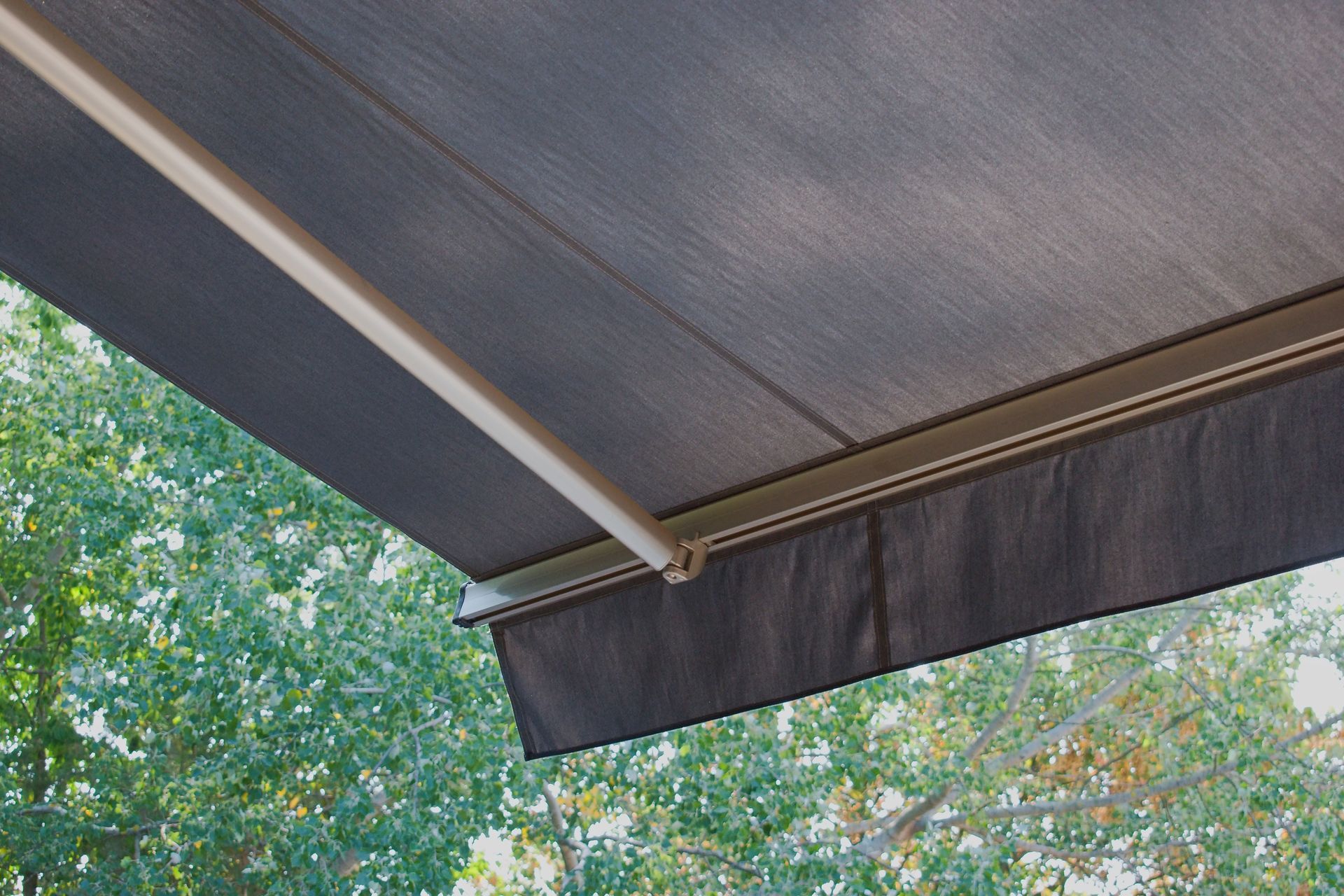
Exterior solar barriers function by positioning an adaptable protective shield directly over exposed window surfaces or outdoor patios. By stopping radiant heat gain before it contacts the glass envelope, these retractable mechanisms address the primary vulnerability in home thermal performance. When direct sunlight enters through clear glazing, it creates an intense greenhouse effect indoors, causing interior rooms to heat swiftly and placing heavy burdens on cooling equipment. Deploying an exterior barrier absorbs and reflects incoming solar rays, maintaining a temperate indoor climate without continuous cooling. An adaptable shade canopy adjusts to match the sun's trajectory, pairing thermal comfort with architectural elegance.
Evaluating High-Performance Fabrics and Hardware Materials
A wide range of durable materials can be used to construct retractable solar-blocking awnings, each offering distinct advantages based on durability, UV resistance, and aesthetic appeal. Marine-grade woven acrylic stands out because individual fibers are dyed prior to spinning. This solution-dyed method guarantees vibrant color retention after years of ultraviolet exposure, while microscopic breathability allows hot air beneath the fabric to escape upward. For rainy regions, polyester textiles treated with protective vinyl coatings deliver remarkable water resistance. Heavy-duty framing hardware crafted from powder-coated aluminum complements these advanced fabrics, resisting corrosion and ensuring the entire shading assembly remains dependable through seasons of rigorous outdoor exposure.
Customizing Aesthetic Profiles and Automated Features
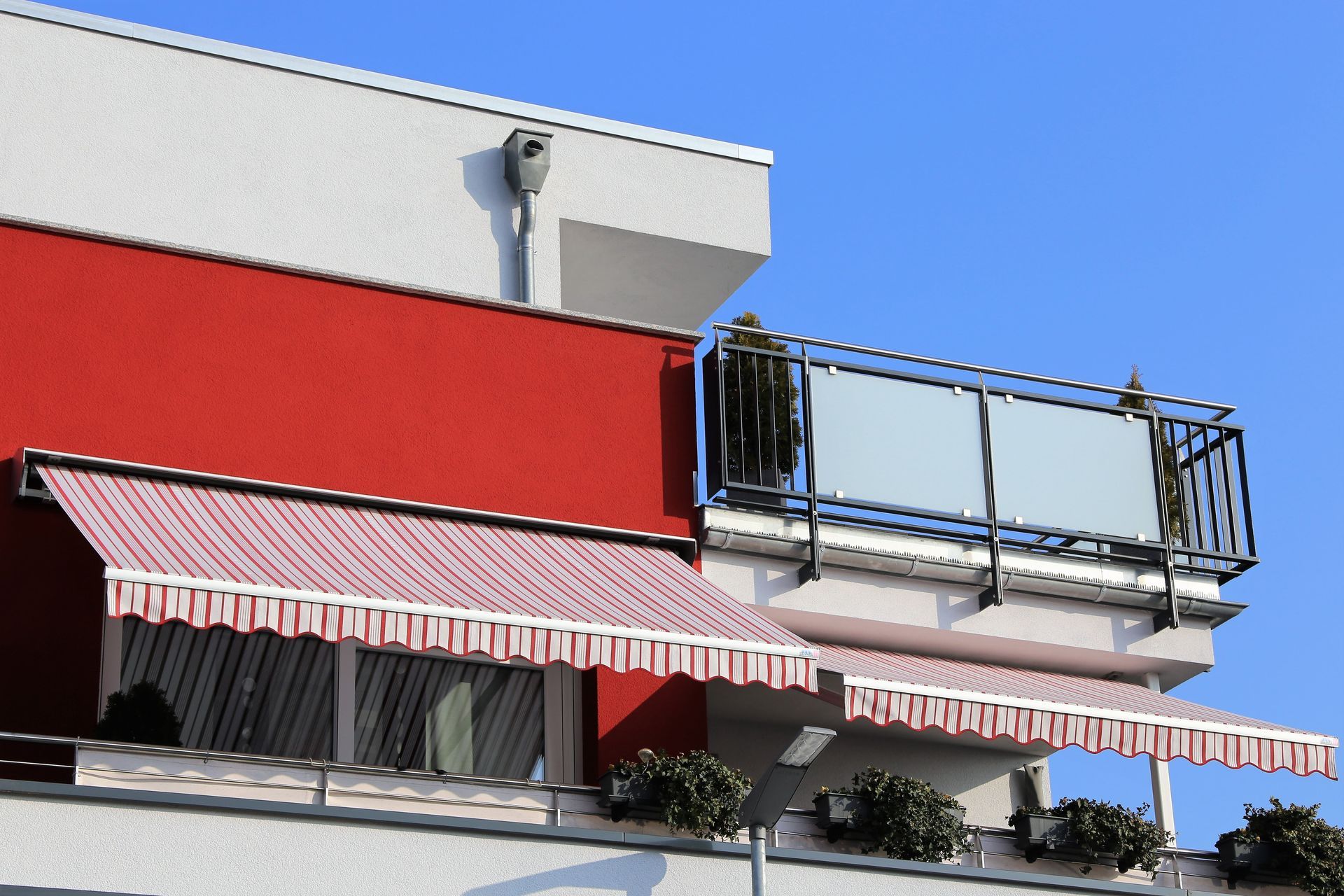
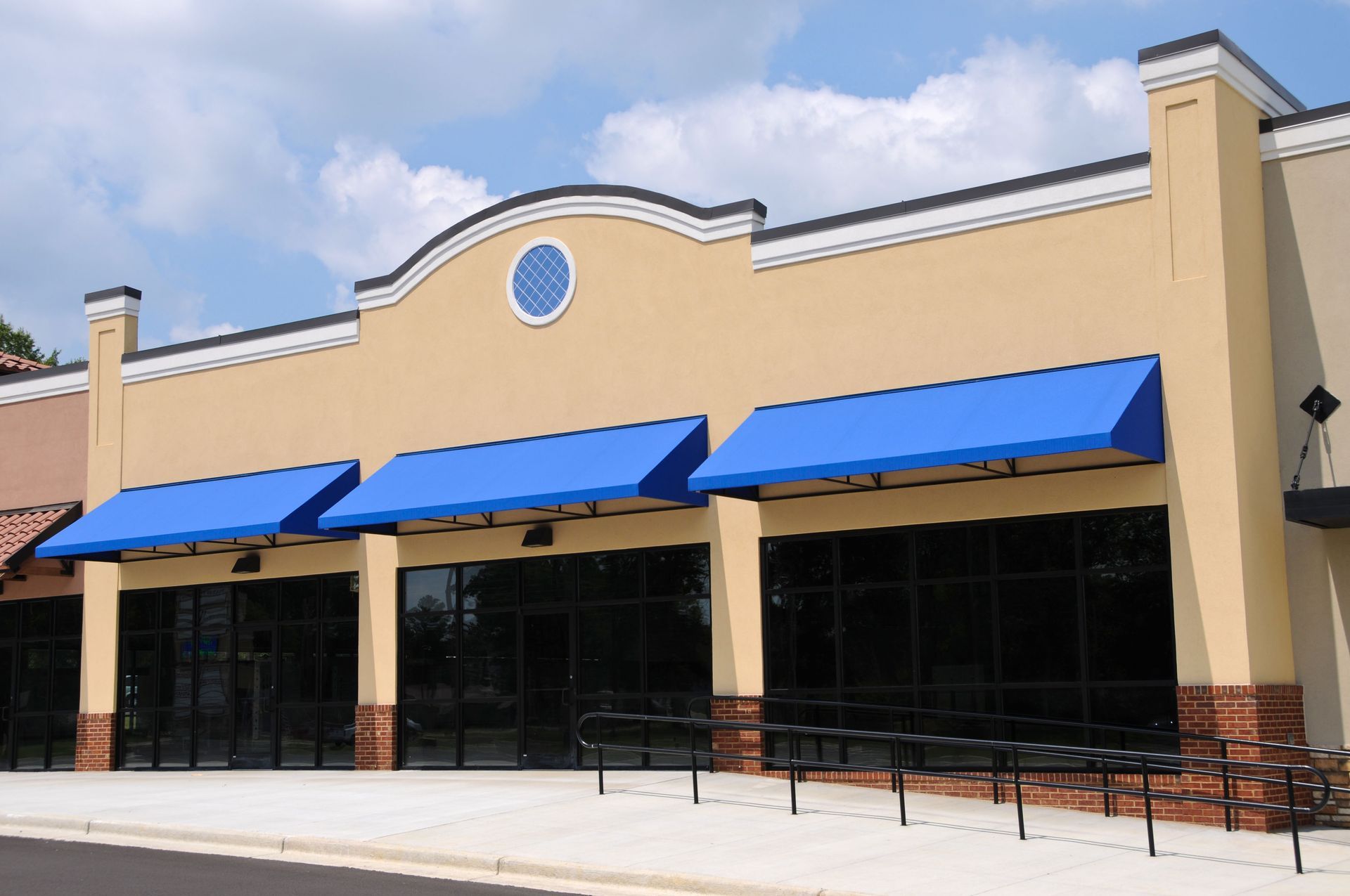
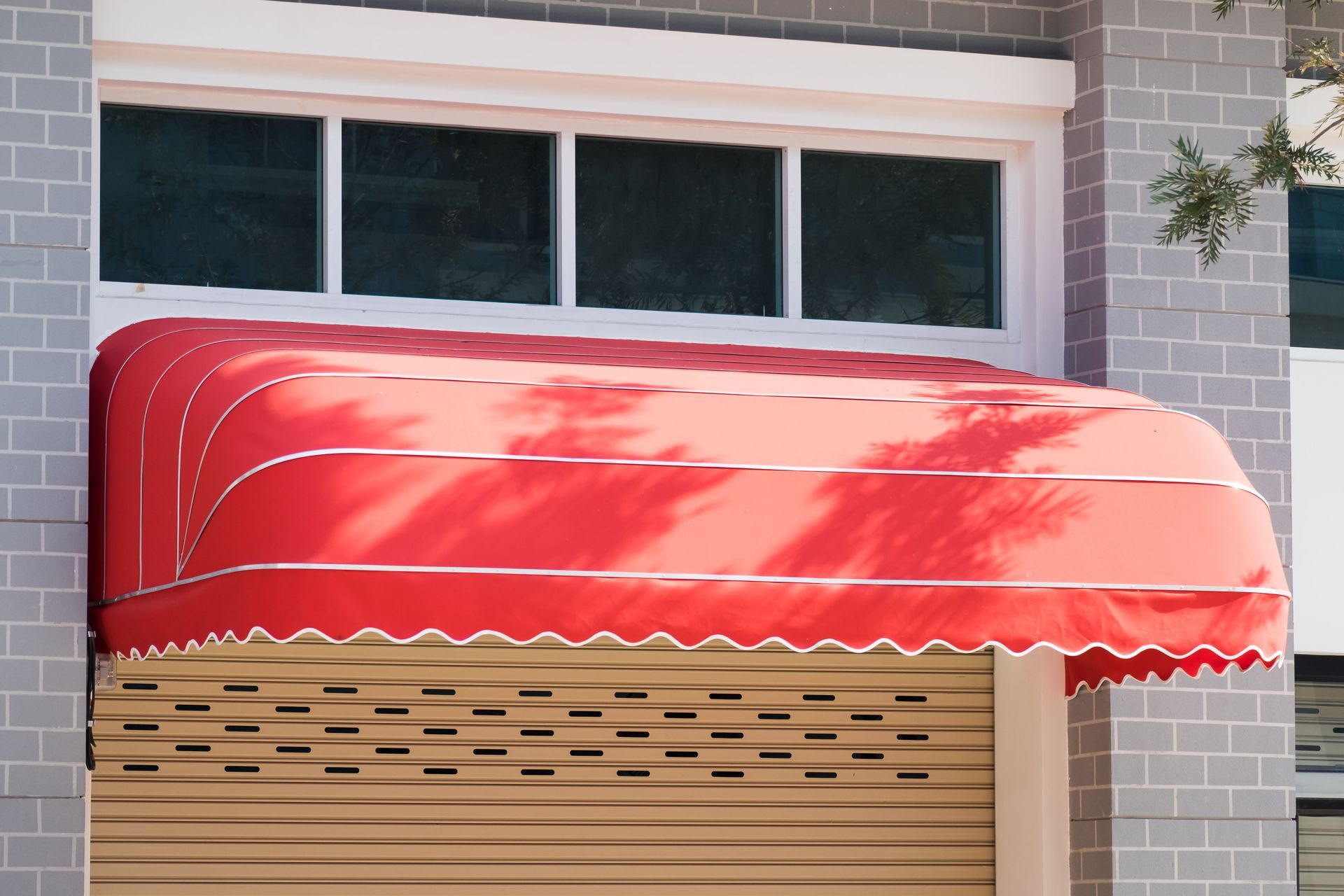
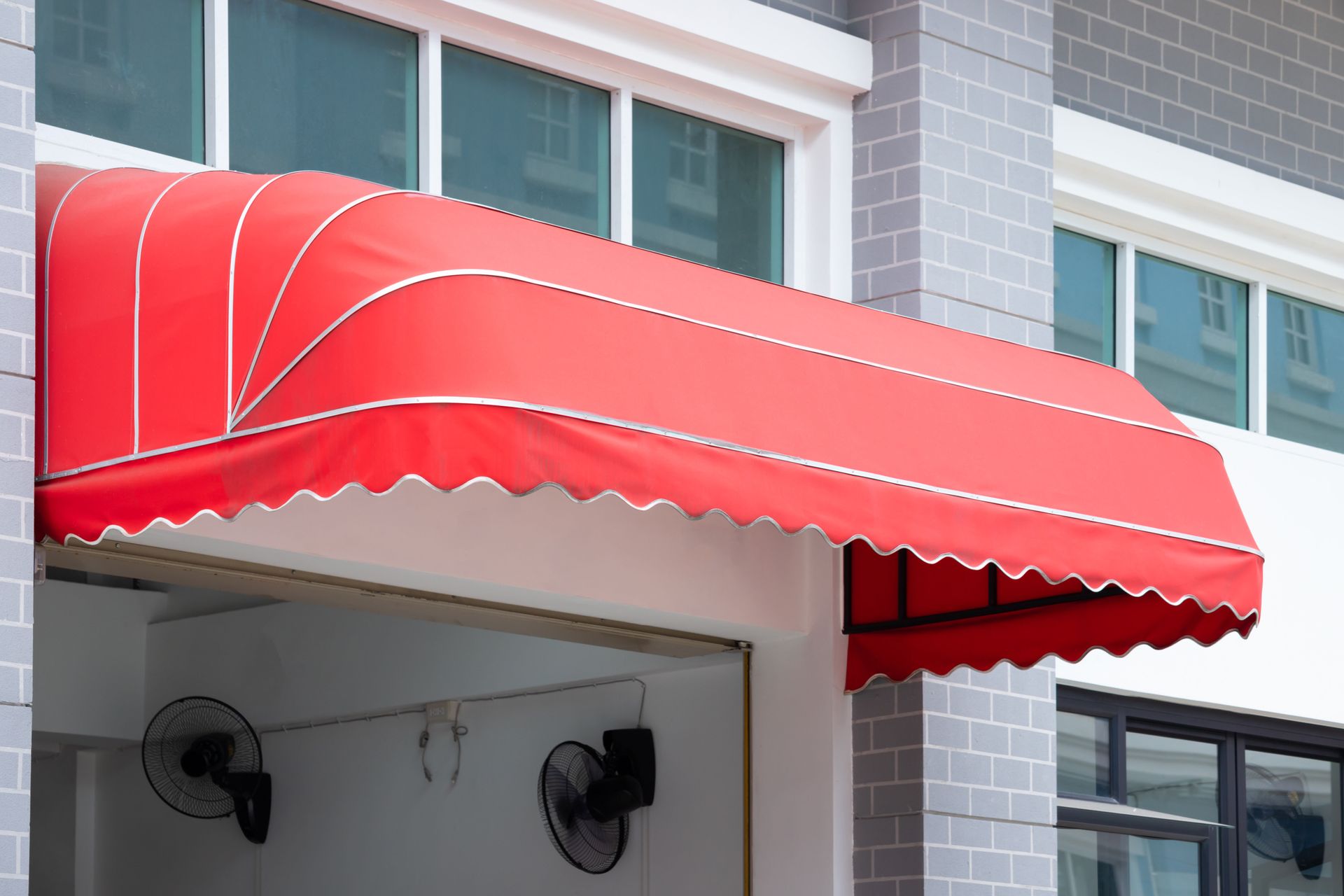
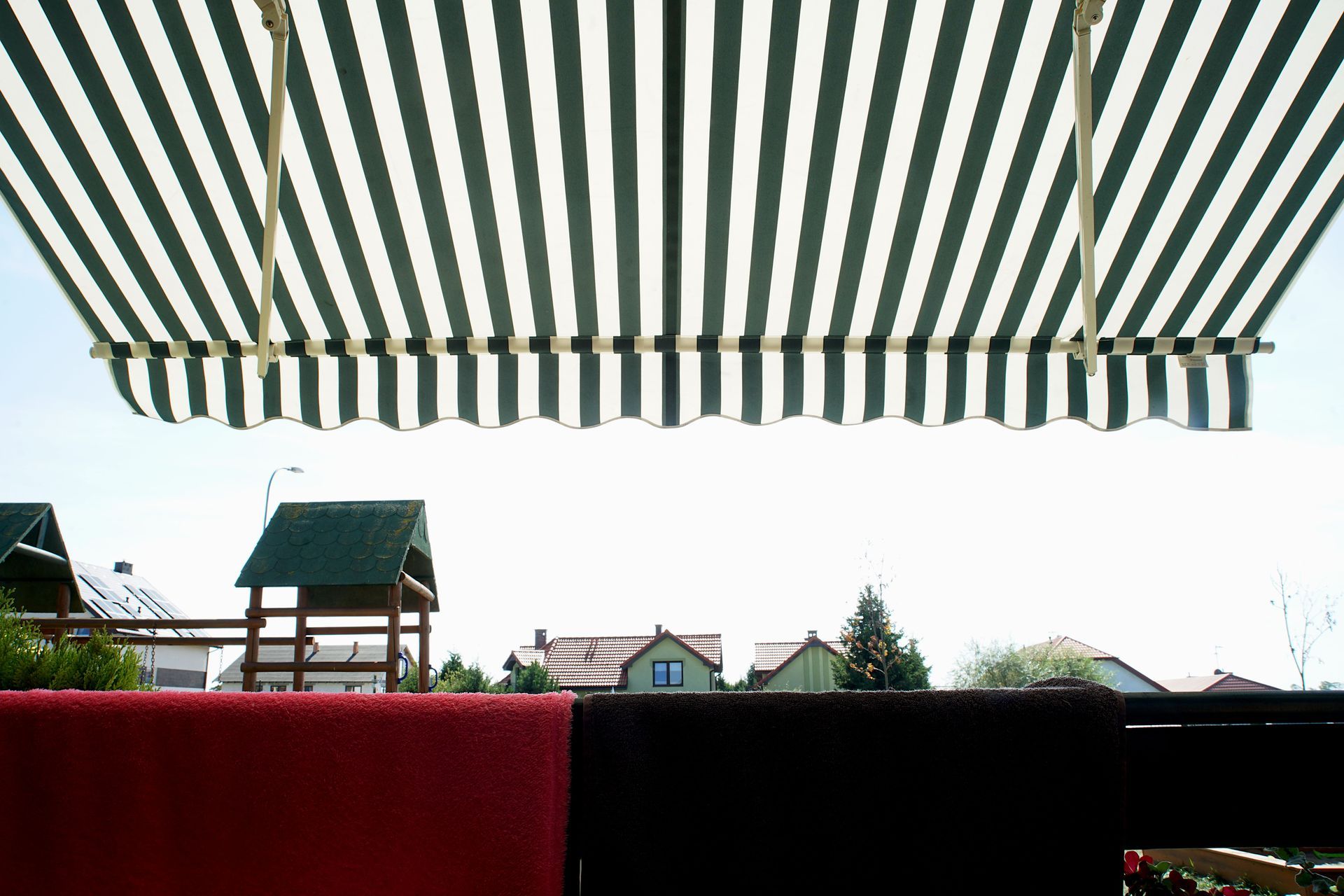
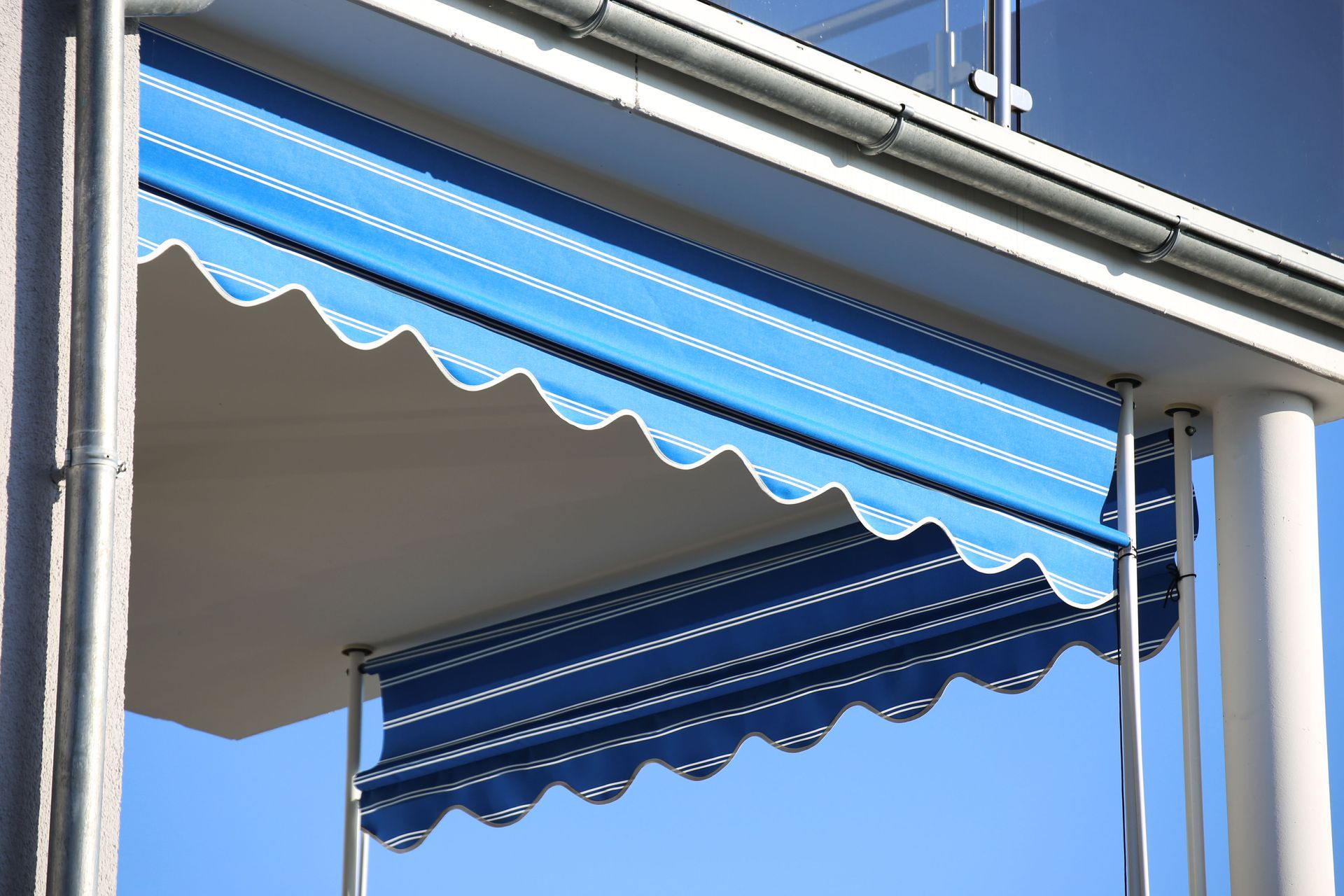
Homeowners can personalize these exterior installations, ensuring modern awnings complement any architectural style while providing targeted shade. Modern manufacturing methods provide an expansive palette of solid hues, textured neutrals, and classic striped patterns, allowing the protective canopy to harmonize with siding, brickwork, or trim. Beyond visual styling, sophisticated automation transforms standard outdoor shading into an intelligent climate-control asset. Integrated sun sensors automatically deploy the overhead shade whenever solar intensity exceeds a specified threshold, keeping the house cool while residents are away. Complementary wind sensors safely retract the canopy whenever sudden gusts threaten structural arms, preventing accidental damage and extending operational equipment life.
Maintaining Structural Longevity and Weather Resistance
Preserving the structural integrity and aesthetic freshness of an exterior canopy requires a straightforward routine of periodic cleaning and inspection. Even resilient outdoor textiles accumulate atmospheric dust, fallen leaves, and airborne debris over months of exposure. Rinsing the fabric with a gentle garden hose stream once a month prevents organic particles from embedding within the weave, substantially reducing mildew growth. When spot cleaning becomes necessary, property owners should use a mild soap mixture, lukewarm water, and a soft-bristle brush. Applying a light silicone lubricant to pivot joints prevents friction, while storing the fabric inside a protective cassette during severe winter storms shields mechanical components.
Lowering Cooling Demands During Peak Sunlight
By providing continuous shade over exterior glass, these exterior awnings prevent the greenhouse effect that typically forces air conditioners to run continuously. Solar heat gain accounts for a massive portion of residential cooling loads, particularly in homes featuring expansive south-facing or west-facing windows. According to Persistence Market Research, window awnings can reduce solar heat gain by up to 65%. Intercepting thermal energy prior to glass penetration drastically lowers indoor ambient temperatures, often dropping room temperatures by eight to fifteen degrees. Consequently, household cooling units run for shorter cycles, operate at lower capacities, and consume substantially fewer kilowatt-hours throughout blistering summer heatwaves, significantly lowering long-term HVAC repair bills and extending system life.
Enhancing Passive Thermal Insulation Indoors
Deploying exterior shades creates a specialized microclimate buffer zone between outdoor elements and residential window assemblies. Glass is an efficient thermal conductor, rapidly transferring atmospheric heat into interior spaces during hot weather and allowing radiant warmth to escape during cold spells. Shading the exterior wall and glass surface keeps the exterior building envelope markedly cooler, establishing a stable barrier that inhibits conductive heat transfer into interior living areas. This passive insulation stabilizes indoor temperatures and eliminates hot spots across rooms adjacent to sun-drenched walls. Furthermore, reducing thermal loads creates a balanced indoor ecosystem where central climate controls distribute air evenly across every zone.
Maximizing Passive Heat During Seasonal Transitions
During colder months, retractable awnings can be drawn back completely, welcoming solar warmth inside to lower heating expenses. Permanent architectural structures like fixed porch roofs continually block sunlight throughout the cold autumn and winter months, preventing homes from taking advantage of free passive solar heating. Retractable installations solve this dilemma effortlessly through adaptable seasonal flexibility. When winter arrives, and solar angles drop lower on the horizon, rolling the canopy neatly into its housing allows radiant solar energy to flood directly through south-facing windows. This natural thermal gain warms interior floors, walls, and furnishings, taking substantial pressure off residential heating systems on bright winter afternoons.
Calculating Household Utility and Furnishing Savings
Analyzing the financial return on residential solar shade installations reveals broad economic rewards that extend far beyond monthly power bill reductions. The direct decrease in summer electrical usage generates predictable, cumulative savings year after year. As utility rates continue their upward trajectory, shaving twenty to thirty percent off seasonal cooling expenditures provides dependable financial relief for household budgets. In addition to recurring utility reductions, exterior shade installations protect costly interior furnishings from destructive ultraviolet radiation. By blocking up to ninety-eight percent of damaging rays, outdoor fabric barriers safeguard hardwood floors, upholstered furniture, and valuable draperies, preserving home value and providing substantial indirect savings over time.
Reviewing Real-World Energy Reduction Case Studies
Empirical observations across diverse climatic zones confirm the exceptional utility of exterior shading in reducing household operating costs. In arid desert regions, homeowners who installed automated shading over unshaded west-facing patio doors documented an immediate twenty-five percent reduction in summer electrical consumption. The elimination of afternoon solar penetration allowed cooling systems to maintain a stable indoor temperature without continuous compressor strain during peak ambient heat. Similarly, residential properties in humid southern climates recorded marked improvements in interior temperature and moisture management. Indoor relative humidity levels stabilized, allowing air conditioning units to dehumidify living spaces effectively while delivering significant financial savings on monthly utility statements.
Determining Optimal Placement for Exterior Installations
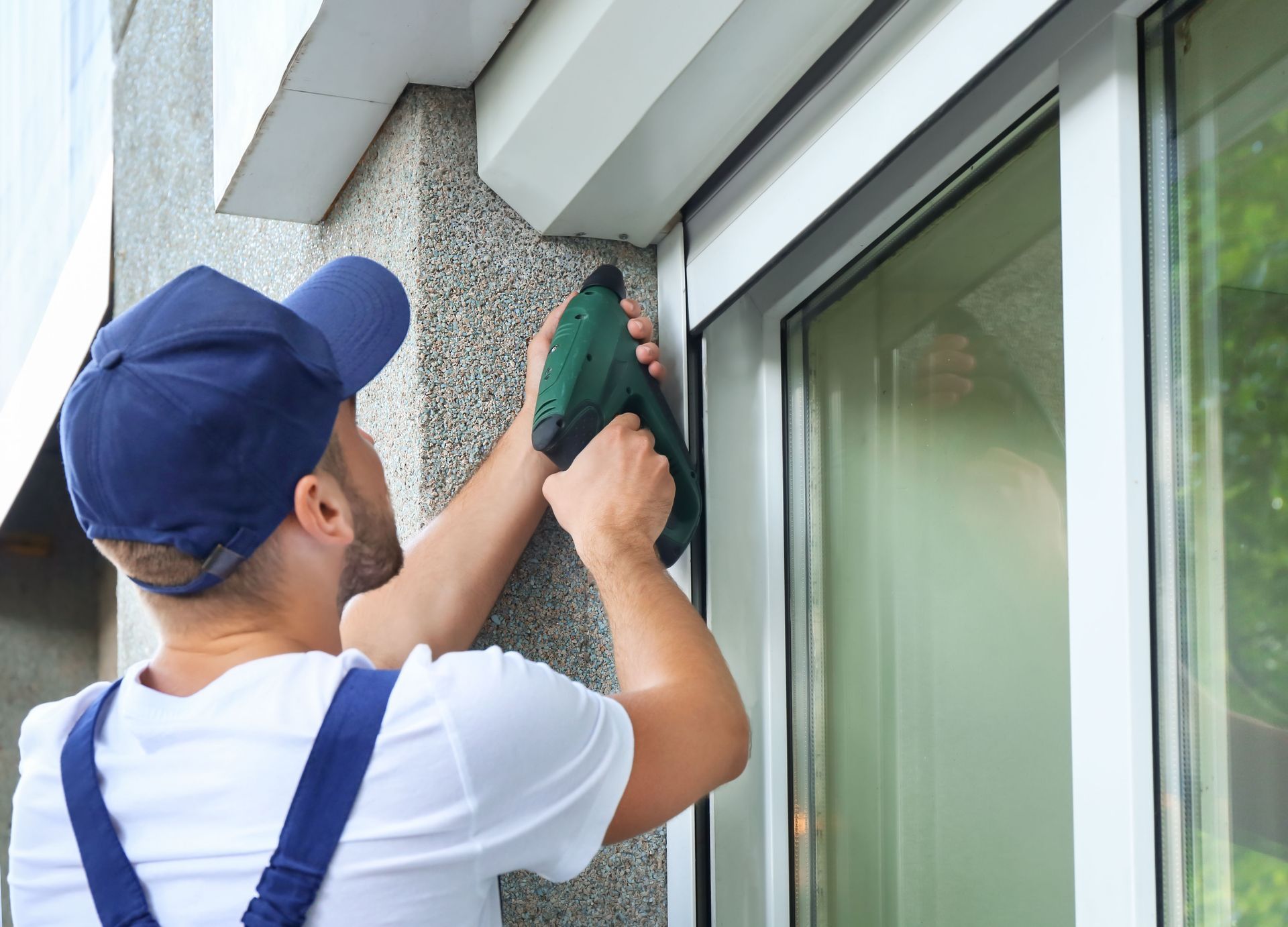
Investing in high-performance solar awnings delivers a balanced combination of reduced utility bills, interior sun protection, and outdoor comfort. Selecting the right locations around the home is crucial for maximizing thermal performance. South-facing windows receive consistent sunlight throughout midday hours, making them prime candidates for protective shading. Meanwhile, west-facing windows bear the brunt of blistering afternoon rays, which generate the highest cooling loads in typical residential buildings. Installing extendable canopies over these key exposures prevents severe solar penetration when exterior temperatures peak. Engaging qualified specialists ensures secure attachment to exterior wall studs, proper electrical integration for automated motor systems, and durable fabric selection tailored to regional climate demands. Contact Sunshades Awning Company, Inc. today to schedule your consultation and start saving on your household energy costs.


Share On: