
Thinking About a Retractable Awning? Here’s 5 Things You Need to Know
A retractable awning is one of the most effective upgrades for creating shade, improving outdoor comfort, and enhancing curb appeal. Whether you want to enjoy your patio more often, cool down your indoor living space, or add value to your home, a retractable awning install can be a smart, long-lasting investment. But before you make the decision, it's important to fully understand what goes into choosing, installing, and maintaining this type of system.
Below are five essential things every homeowner should know before moving forward — covering materials, features, installation requirements, and long-term maintenance — so you can make the best possible choice for your home.
1. Material Quality
One of the most critical factors to understand before scheduling a retractable awning install is the material quality of both the frame and the fabric. Awnings are constantly exposed to sun, wind, debris, and seasonal weather changes, making durability a top priority.
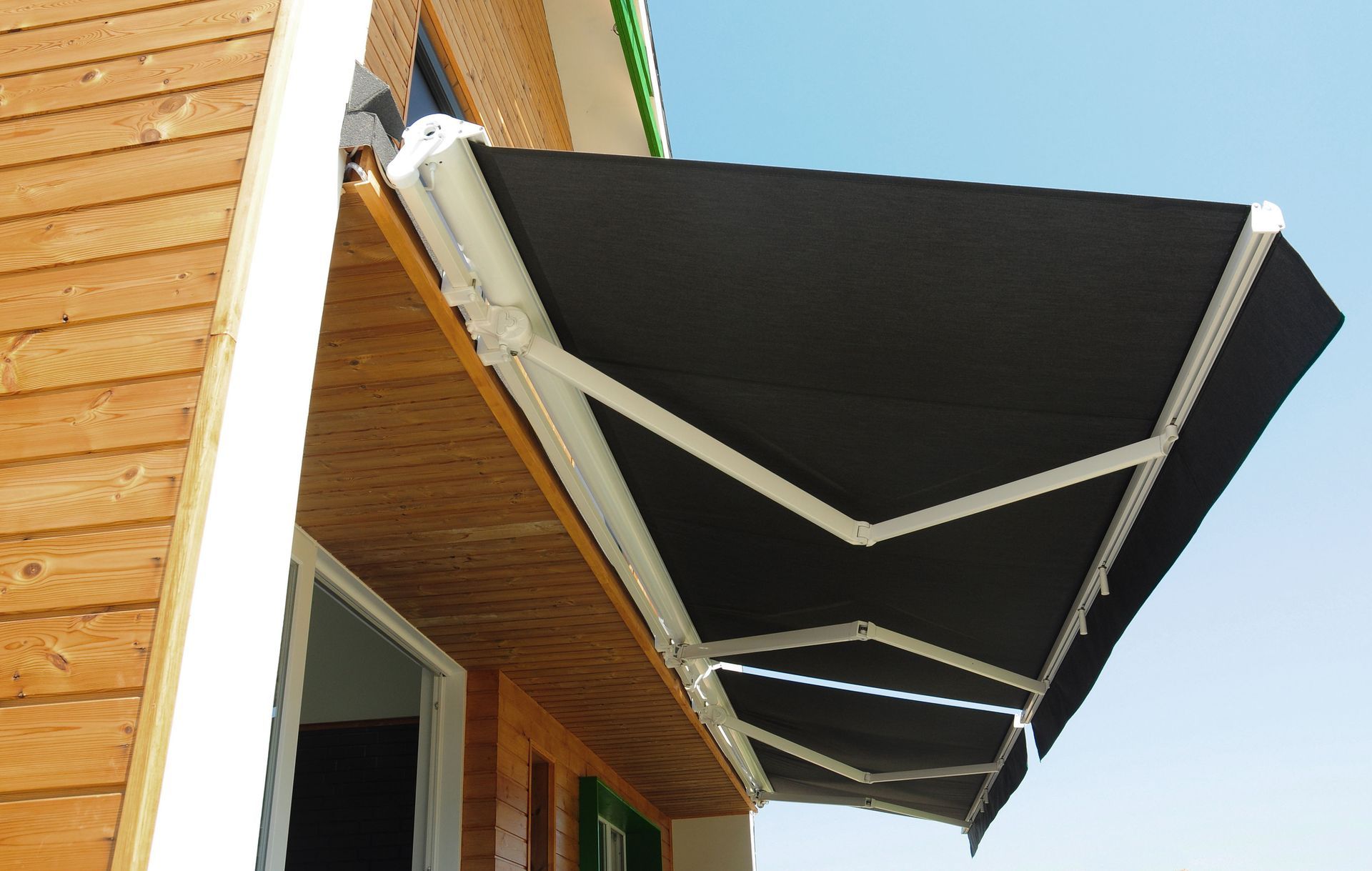
High-quality awning frames are typically made from powder-coated aluminum. This material is lightweight, resistant to rust, and strong enough to withstand long-term outdoor exposure. Lower-grade metal frames may be more cost-effective up front, but they tend to bend, fade, or corrode earlier, requiring more frequent repairs or replacement.
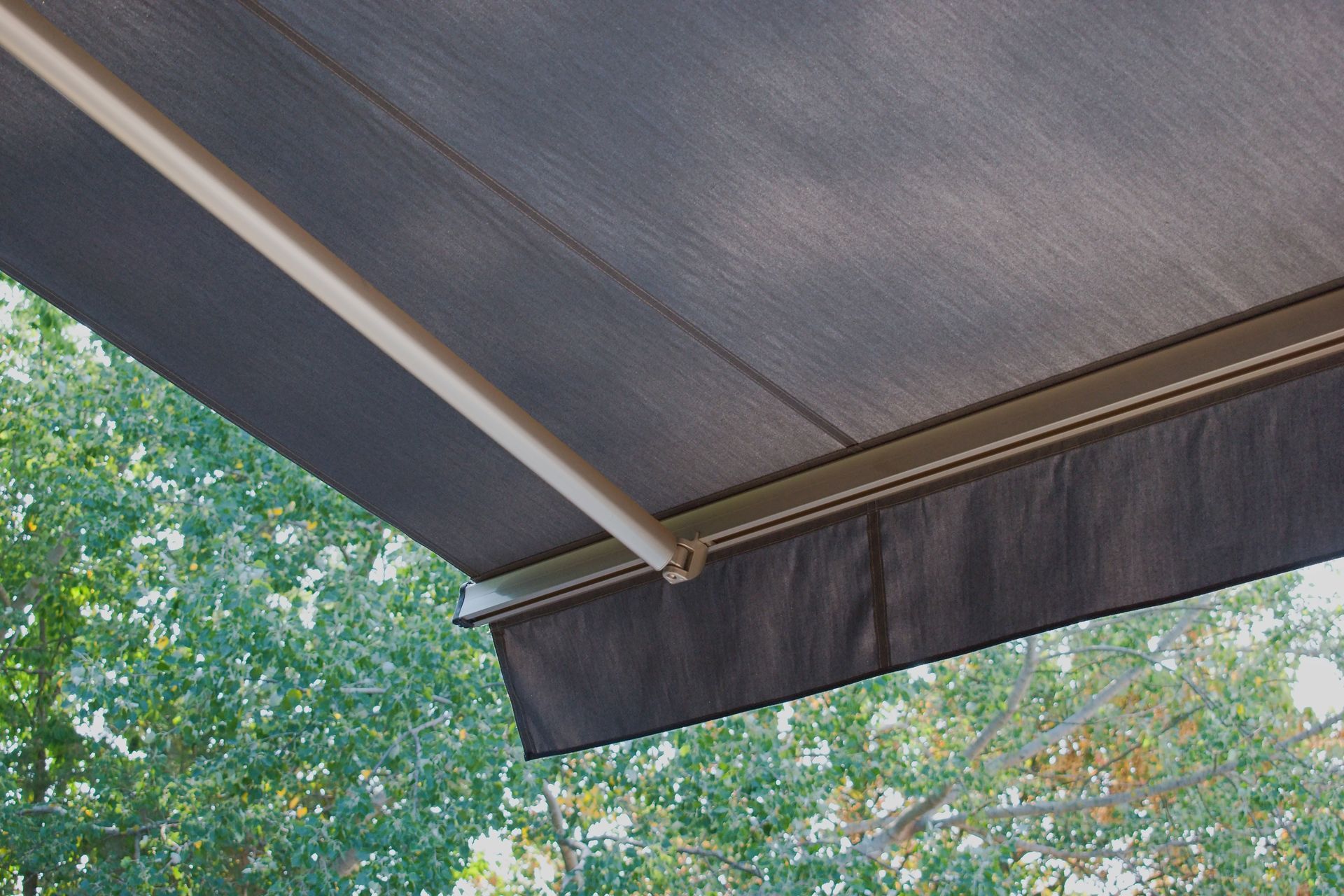
The fabric also matters. Most reputable brands use solution-dyed acrylic fabrics, which are designed to resist fading and maintain their rich color for many years. These fabrics are breathable, allowing heat to escape while still providing UV protection. Cheaper polyester fabrics may look similar at first, but they often fade quickly, trap heat, and may start to degrade sooner.
When evaluating awning materials, remember this simple rule: investing in higher-quality components now will protect both your outdoor space and your long-term budget later. Choosing durable fabrics and sturdy frames from the start ensures your awning performs reliably through years of sun exposure, changing weather, and daily use.
2. Motorization Options
Another important consideration for your retractable awning install is whether you prefer a manual or motorized system. While manual crank systems remain an option, most homeowners today choose motorized awnings for their convenience and ease of use.
Motorized awnings operate with the push of a button — either on a wall switch, remote, or smartphone app. Many models even include sensors that automatically extend or retract your awning in response to sunlight, wind, or rain. If you love the idea of using your outdoor space more often but don't want the hassle of manual operation, motorization is likely worth the upgrade.
It's also important to consider the electrical needs for motorized awnings. Some models plug directly into an outdoor outlet, while others require hardwiring. A trained professional can help determine the safest and most efficient setup for your home.
For homeowners looking for enhanced comfort, smart controls, and worry-free usability, motorized features can significantly elevate the overall awning experience. These automated options not only simplify daily use but also help you get more consistent shade and protection exactly when you need it.
3. Weather Considerations
Weather readiness is a major part of deciding whether a retractable awning install is right for your home. Unlike permanent awnings or patio covers, retractable models offer flexibility. You can extend them for shade and retract them during harsh weather conditions.
However, it's important to note that awnings are not designed for every type of weather. Strong winds are the most significant risk. Even high-quality awnings can sustain damage if left open during severe gusts. For this reason, many homeowners invest in optional wind sensors that close the awning automatically if conditions become unsafe.
Rain is another factor. Light rain is generally fine, but heavy rainfall can pool on the fabric, stretching or damaging the material. Snow, meanwhile, should never accumulate on an awning. The weight can cause irreversible structural issues.
A retractable awning gives you shade when you want it and protection when you need it — but only if you use it properly. Managing it according to weather conditions ensures your investment lasts as long as possible. By staying mindful of wind, rain, and seasonal changes, you'll keep the system operating safely while preserving its appearance and structural integrity.
4. Longevity Expectations
Longevity is a key reason homeowners consider a retractable awning install, but the actual lifespan varies based on product quality, climate, and maintenance. In general, you can expect the frame and hardware to last significantly longer than the fabric, as the latter experiences the most wear from UV exposure and weather.
Although different sources provide different numbers, industry professionals agree that well-maintained awnings deliver solid long-term performance. In fact, according to HomeAdvisor, many retractable awnings typically last between 8-15 years, depending on the conditions and materials used.
With proper care — such as retracting your awning during storms, cleaning it periodically, and avoiding contact with sharp objects — you can maximize its lifespan and prevent avoidable damage. Some manufacturers also offer extended warranties on motors, frames, and fabrics, which can provide extra peace of mind.
Ultimately, the durability of your retractable awning will depend on how well you care for it and the quality of the components you choose from the start.
5. Installation Requirements
Before scheduling your retractable awning install, it’s important to understand what the installation process involves. Proper installation is essential for safety, performance, and longevity.
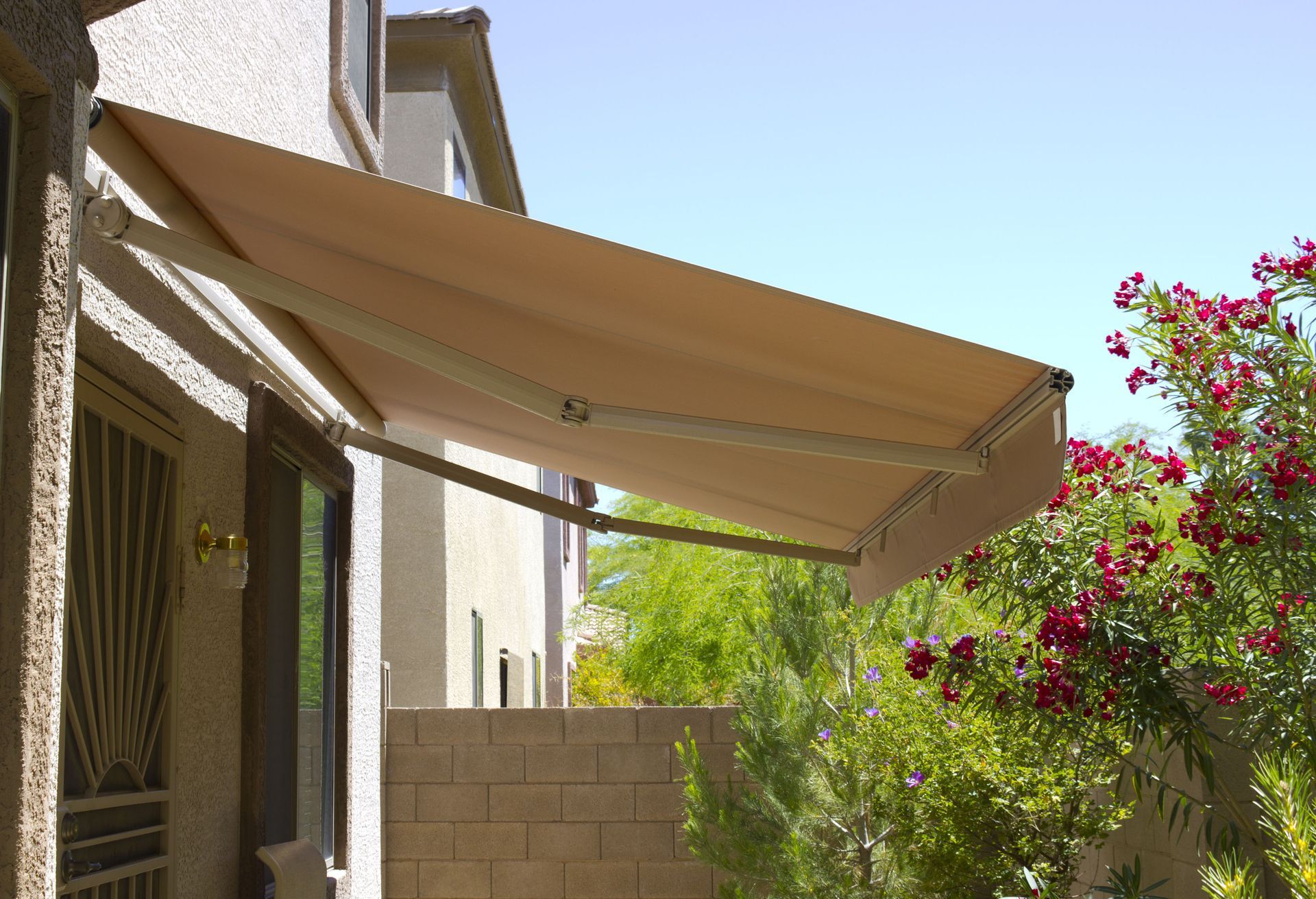
Awnings must be installed into strong, stable structural material — typically framing lumber behind your home’s exterior siding or stucco. Mounting an awning on weak or unsupported surfaces can lead to sagging, instability, or even complete detachment. A trained technician will inspect your mounting area to determine whether reinforcements are needed.
Height and pitch also play major roles. The awning must be mounted high enough to provide adequate clearance while still allowing for a slope that helps rainwater run off. The angle should be steep enough to prevent water pooling but not so steep that it compromises shade or structural balance.
If you choose a motorized system, electrical access is also necessary. Many homeowners opt to have a professional electrician install an outlet or dedicated line to support the awning motor. Proper wiring ensures your awning operates smoothly and safely for years.
A reliable professional will take all these factors into account, ensuring your awning is secure, functional, and aesthetically aligned with your home's design.
A retractable awning installation is one of the most impactful ways to upgrade your outdoor living space, improve comfort, and enhance your home's appearance. By understanding the most important factors — material quality, motorization choices, weather considerations, product longevity, and proper installation requirements — you can make a confident and informed decision.
When chosen thoughtfully and installed correctly, a retractable awning becomes far more than a shade accessory. It becomes an extension of your home, a way to enjoy your favorite outdoor areas more often, and a long-term investment that adds value and convenience to your daily life. Whether you want to relax on your patio, cool your indoor space naturally, or host gatherings in comfort, a retractable awning install can help you create the outdoor environment you’ve always envisioned.
With the right care, high-quality materials, and a professional installation, your new awning will deliver dependable performance year after year. If you're ready to transform your outdoor living area, now is an excellent time to start exploring your options and planning your retractable awning install. Ready to upgrade your outdoor space? Contact Sunshades Awning Company, Inc today to get expert guidance, premium products, and a seamless retractable awning installation experience.



Share On: